
Embedded architectures, explained one by one
Nineteen guides to the standards that govern the catalog: who writes them, how they are built, where they work. Each page closes on real products and the markets that require them.
The guides, standard by standard
19 guides
From system families to avionics buses: every standard has its page.
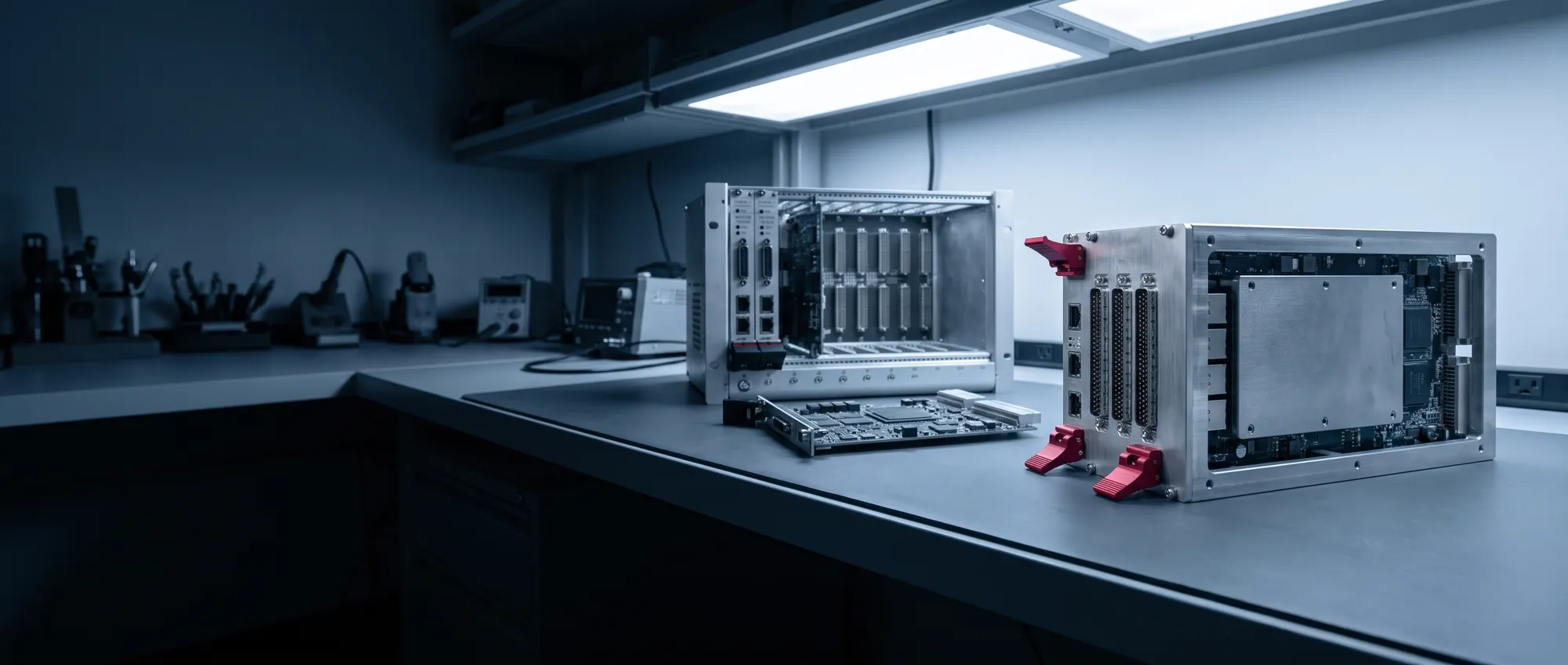
VPX and OpenVPX
High-bandwidth rugged: VITA 46, 48 and 65, from connector to profiles.
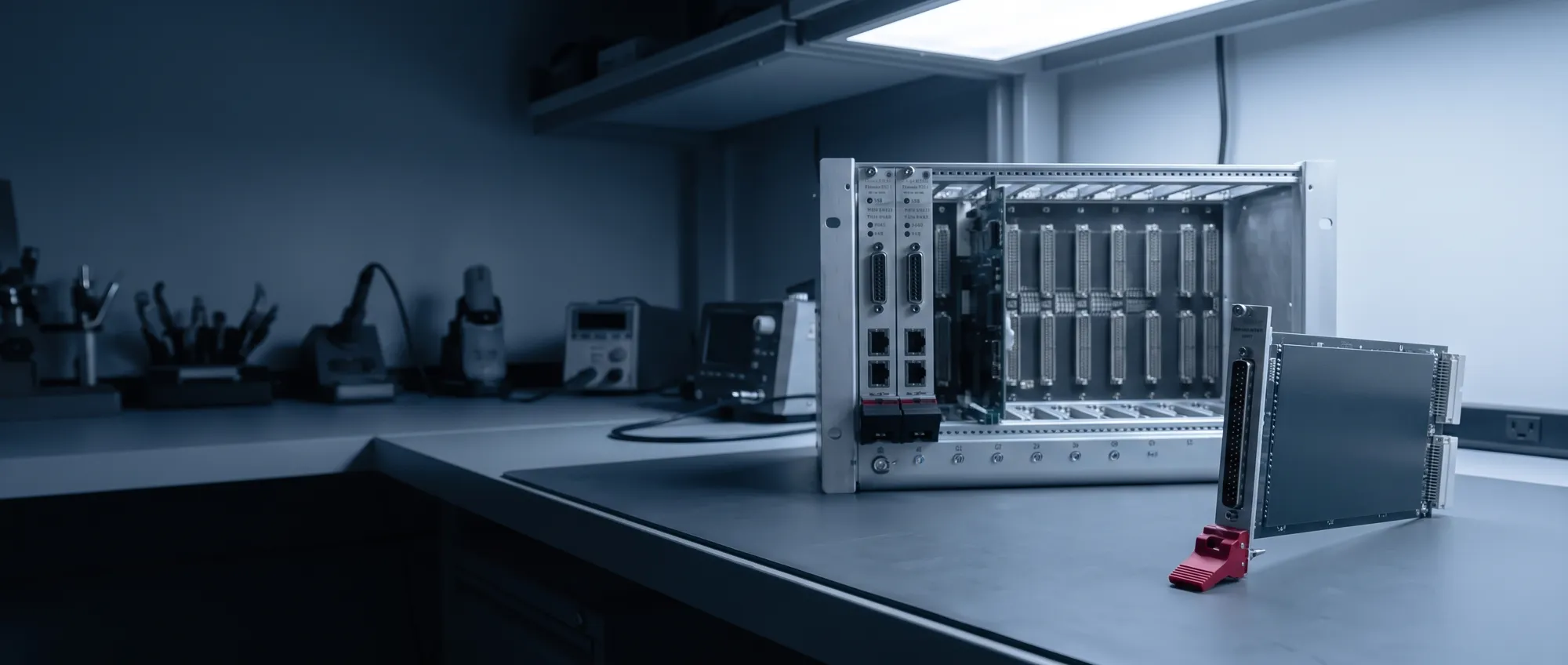
SOSA
The MOSA mandate translated into constrained OpenVPX profiles.
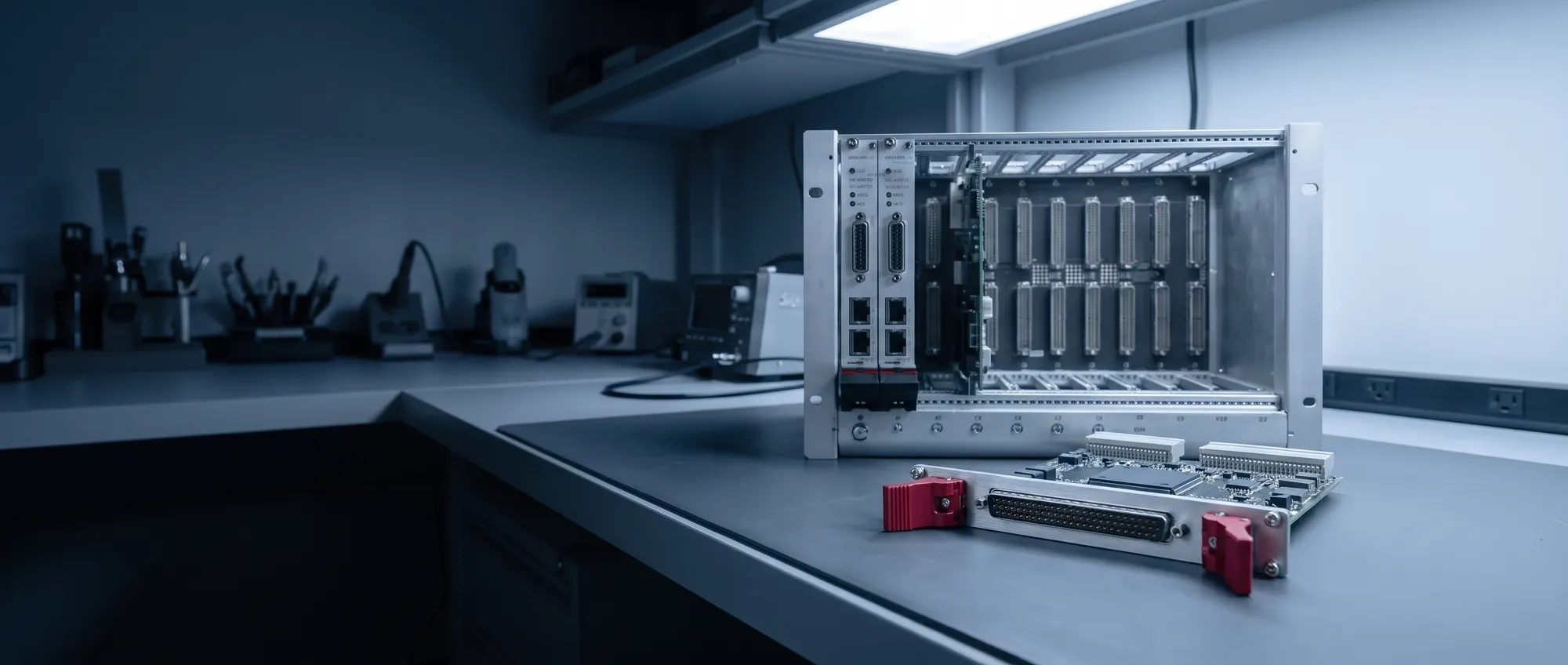
VMEbus, VME64x and VXS
Forty years of open bus, from IEEE 1014 to VME64x and VXS.
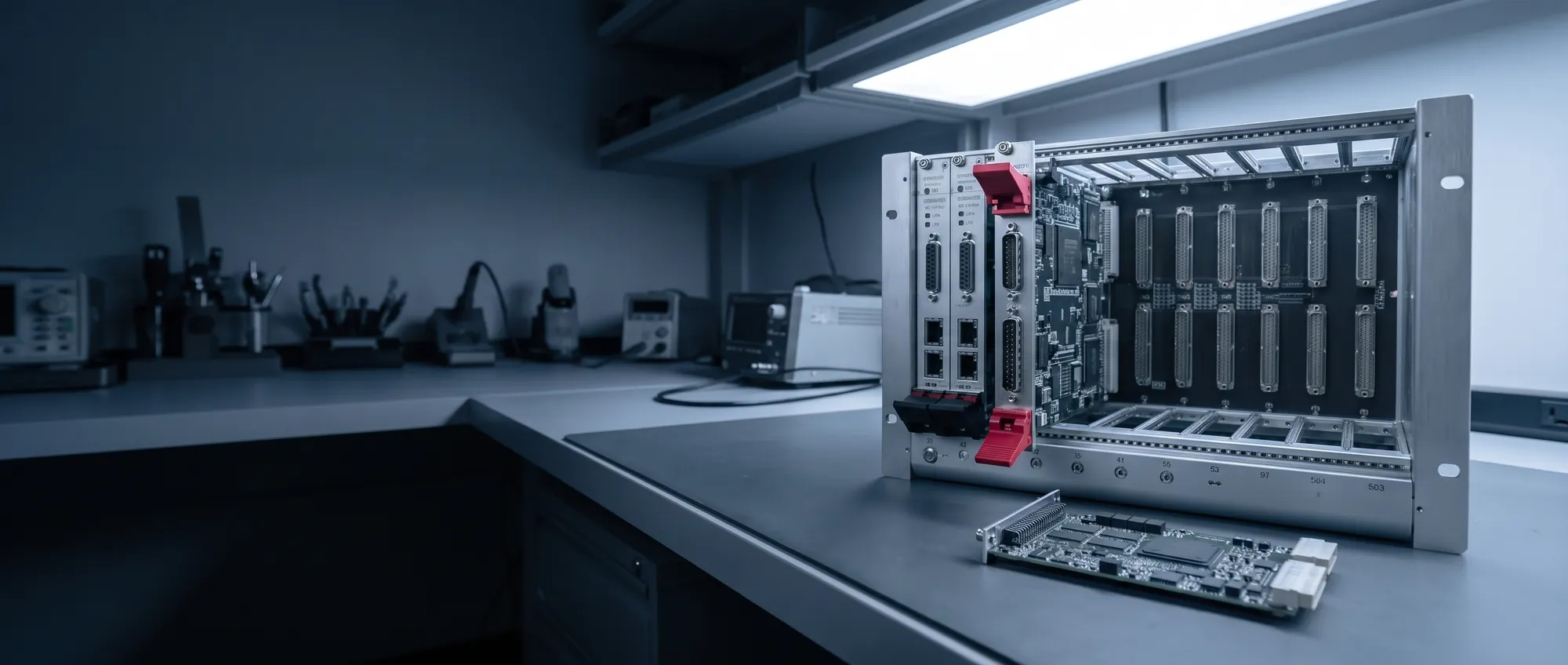
CompactPCI
PCI on the Eurocard: 2 mm connectors, hot swap, the 2.x family.
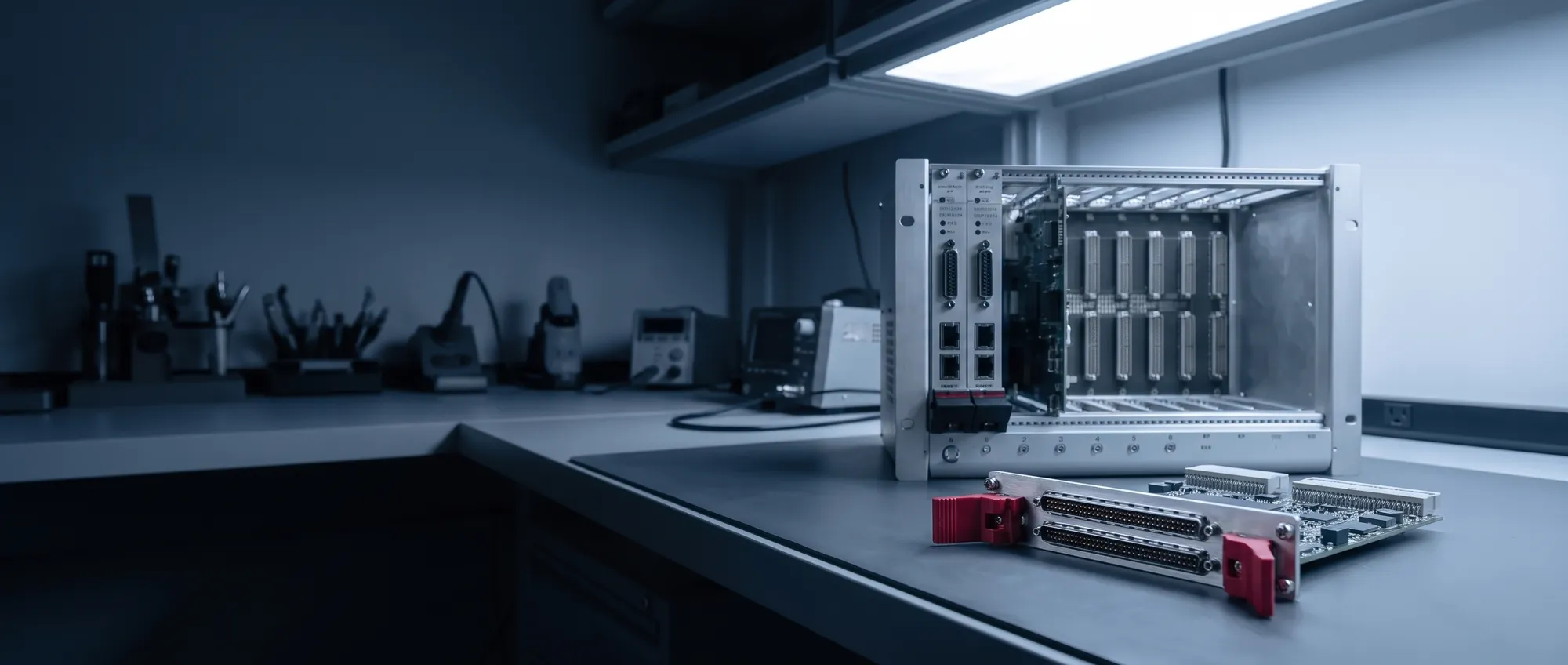
CompactPCI Serial
The serial star without switches: PCIe, SATA, USB and full mesh Ethernet.
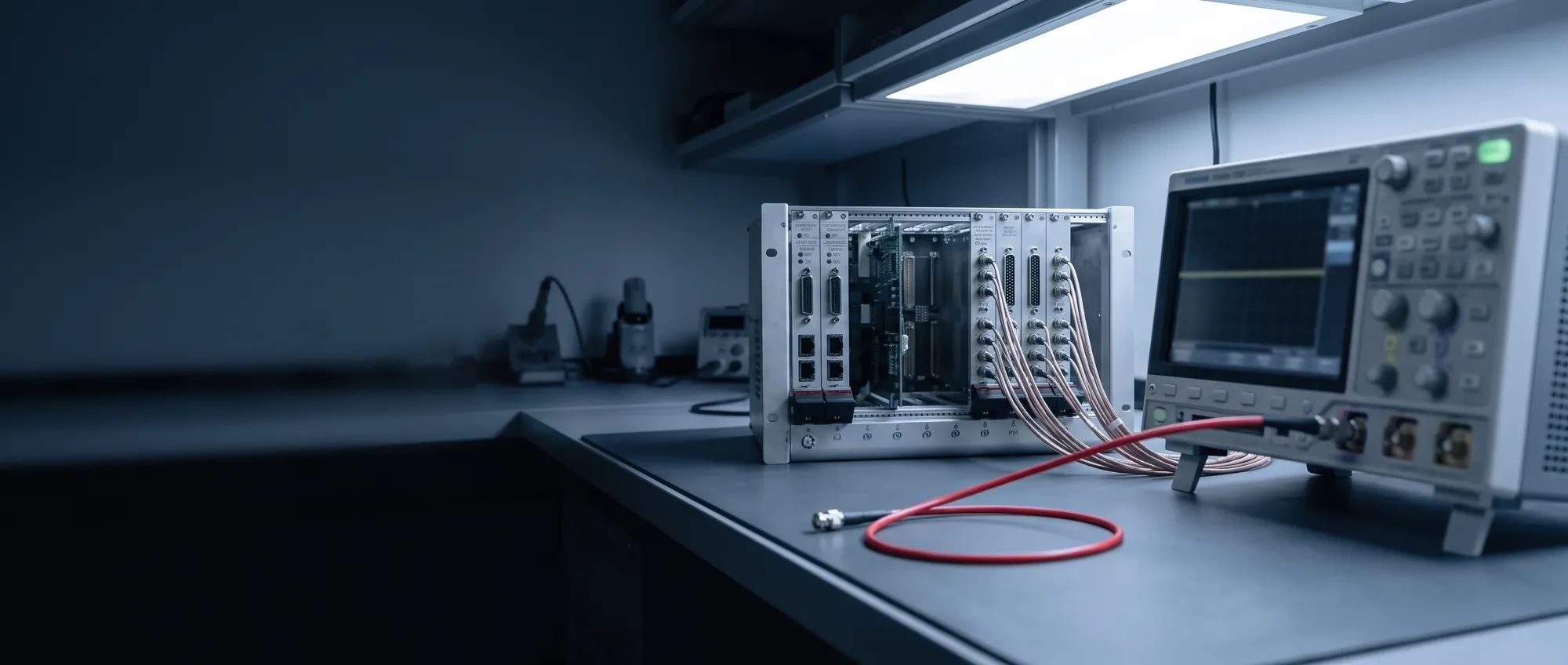
PXI and PXI Express
The CompactPCI of measurement: trigger bus, common clock, PXIe.
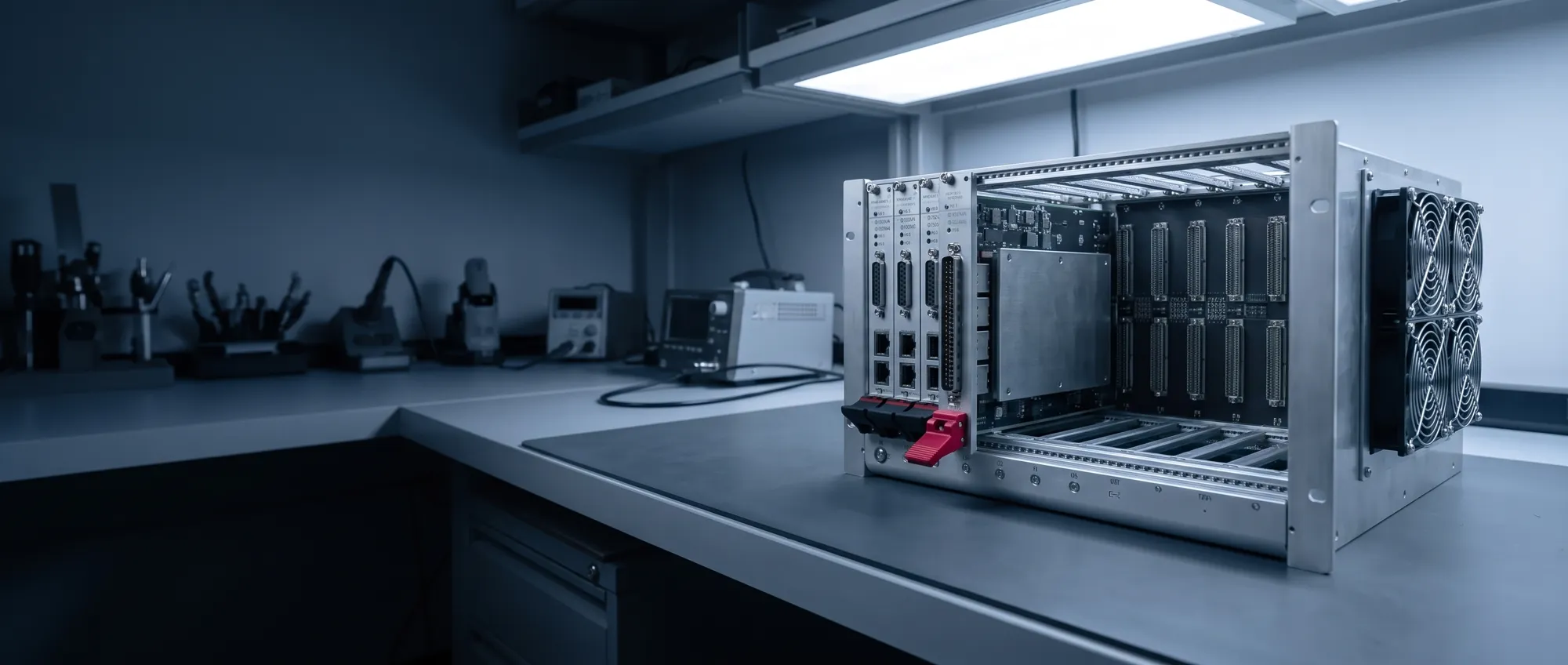
AdvancedTCA
Carrier grade as a standard: blades, redundant fabrics, shelf management.
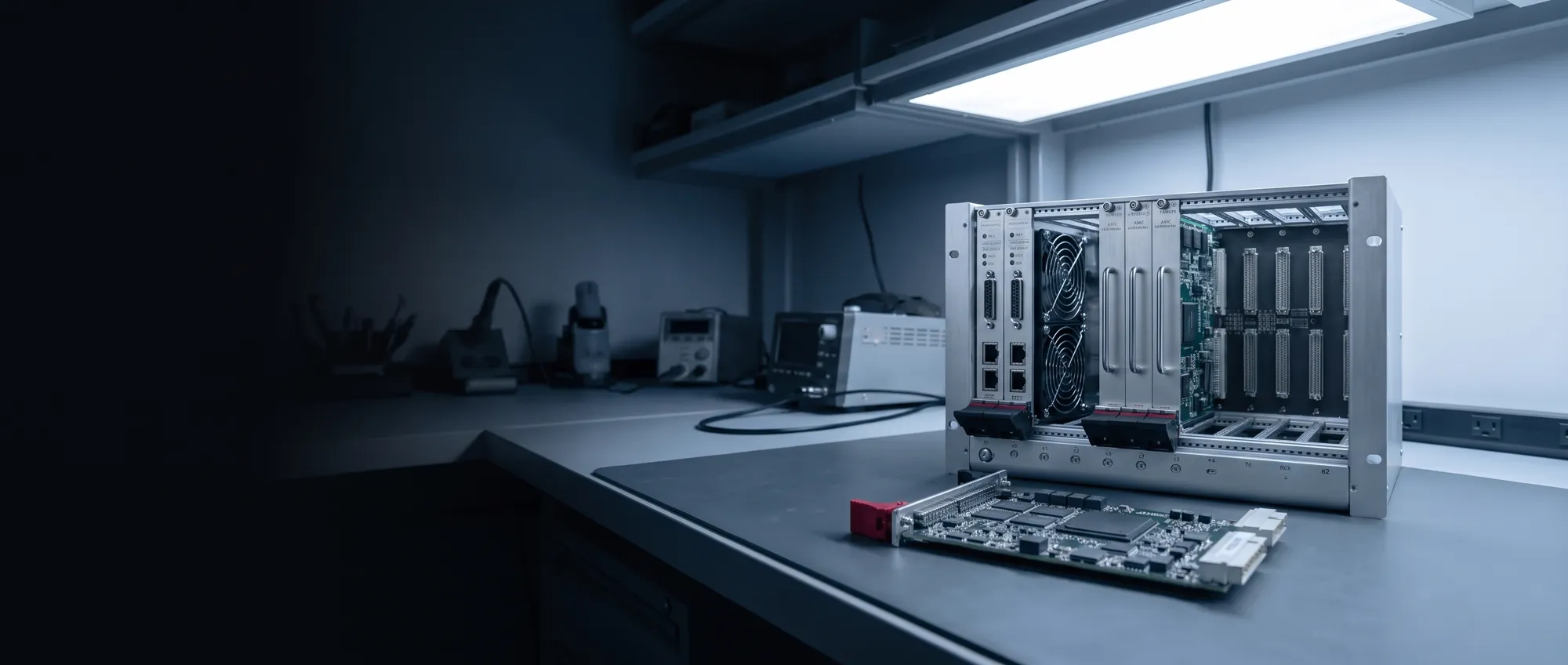
MicroTCA
AMCs as mini-blades: from the telecom edge to physics' MTCA.4.
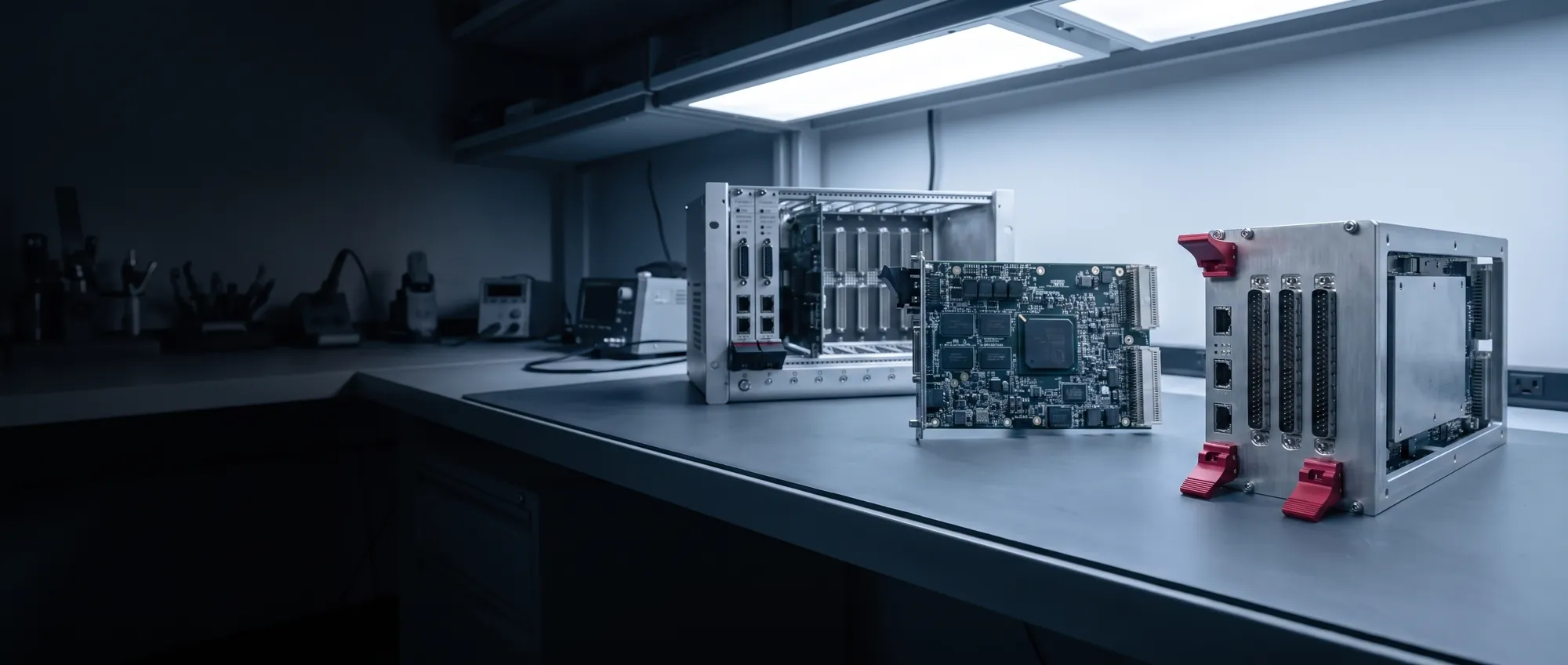
PICMG
The industrial computing consortium: the map of its families.
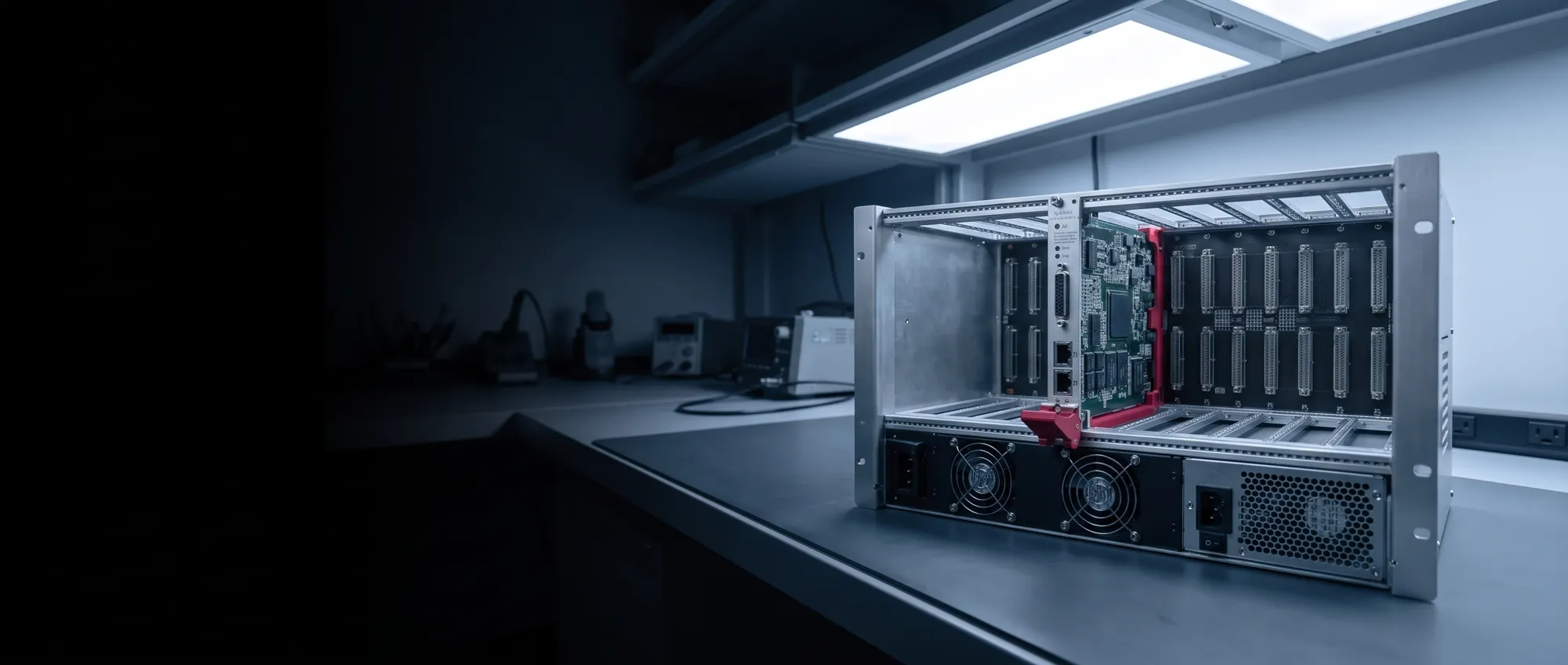
PICMG 1.3
The CPU on a removable board, the slots on a passive backplane.
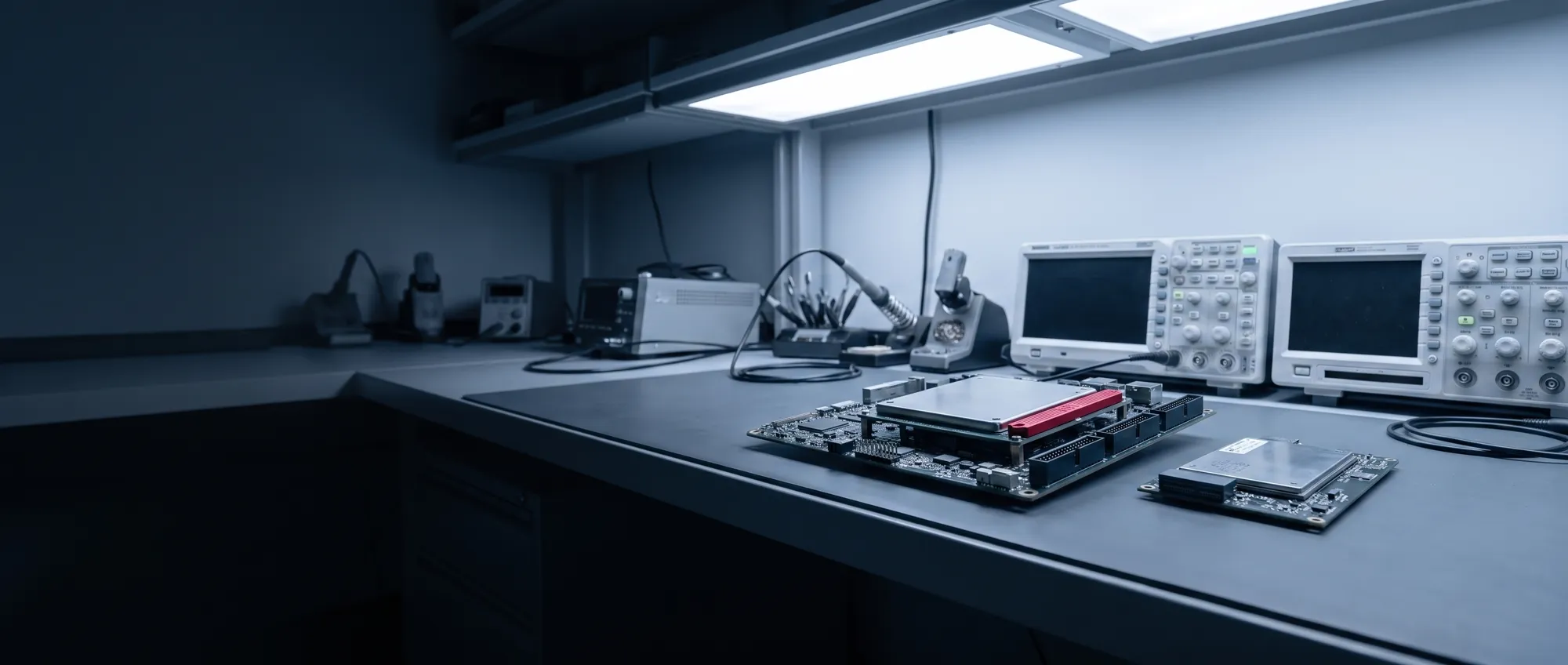
COM Express
Computing as a component: pinout types and four PICMG sizes.
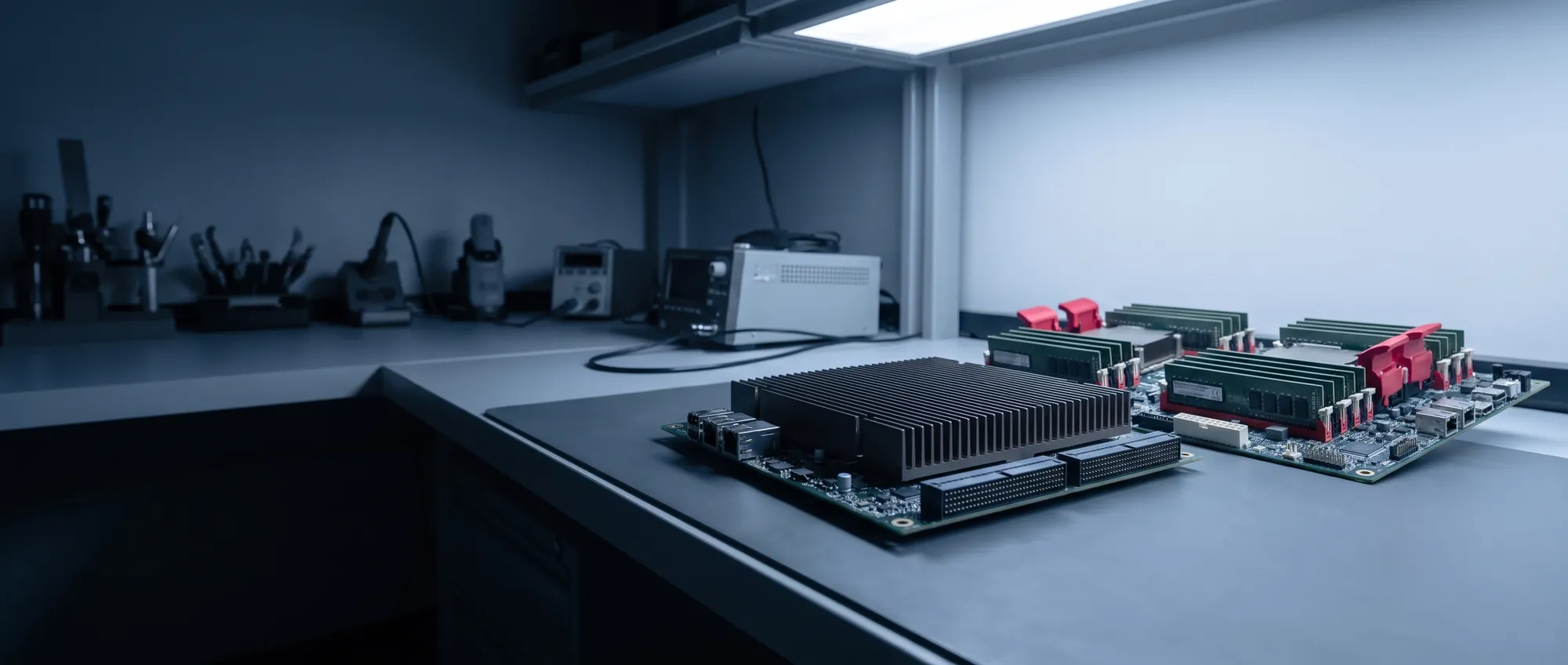
COM-HPC
The server-class COM: 800 pins, PCIe Gen5, up to a terabyte of RAM.
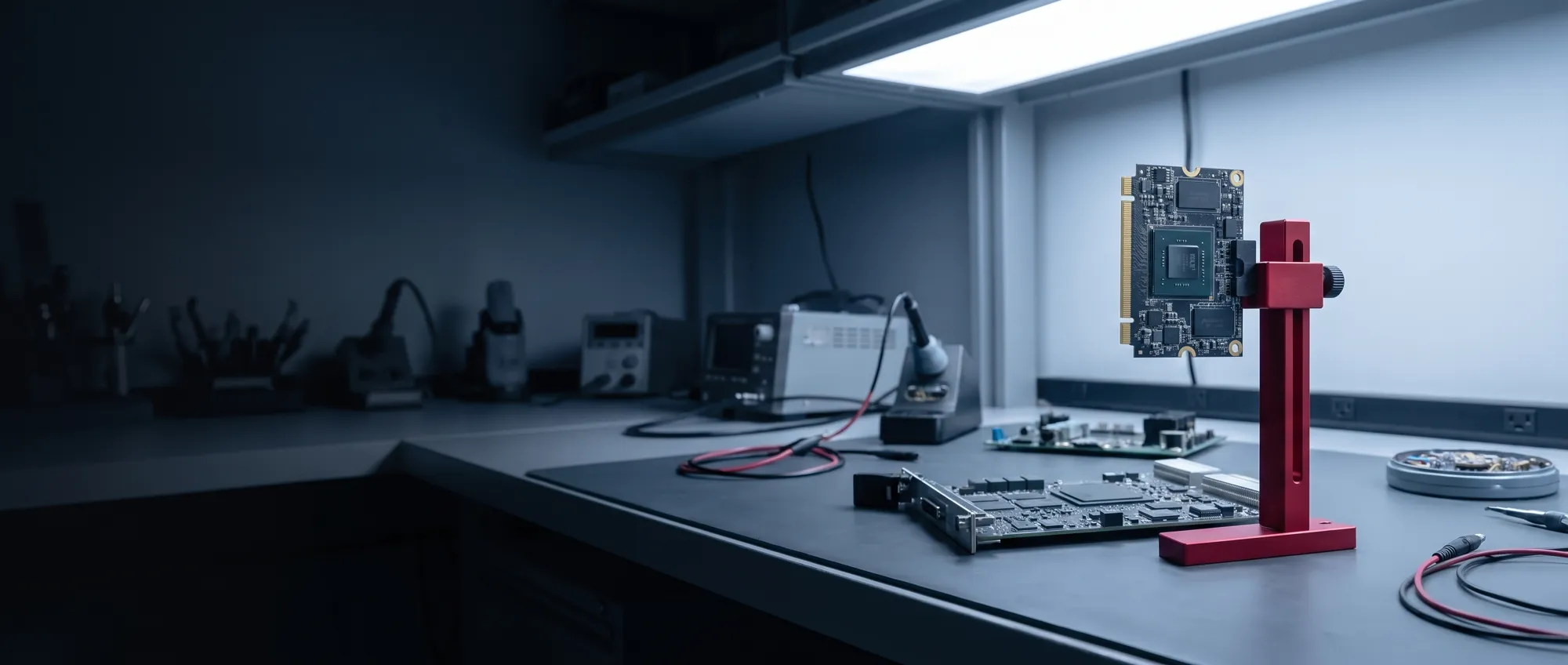
SMARC
The module that comes from mobile: ARM and x86 under 6 watts.
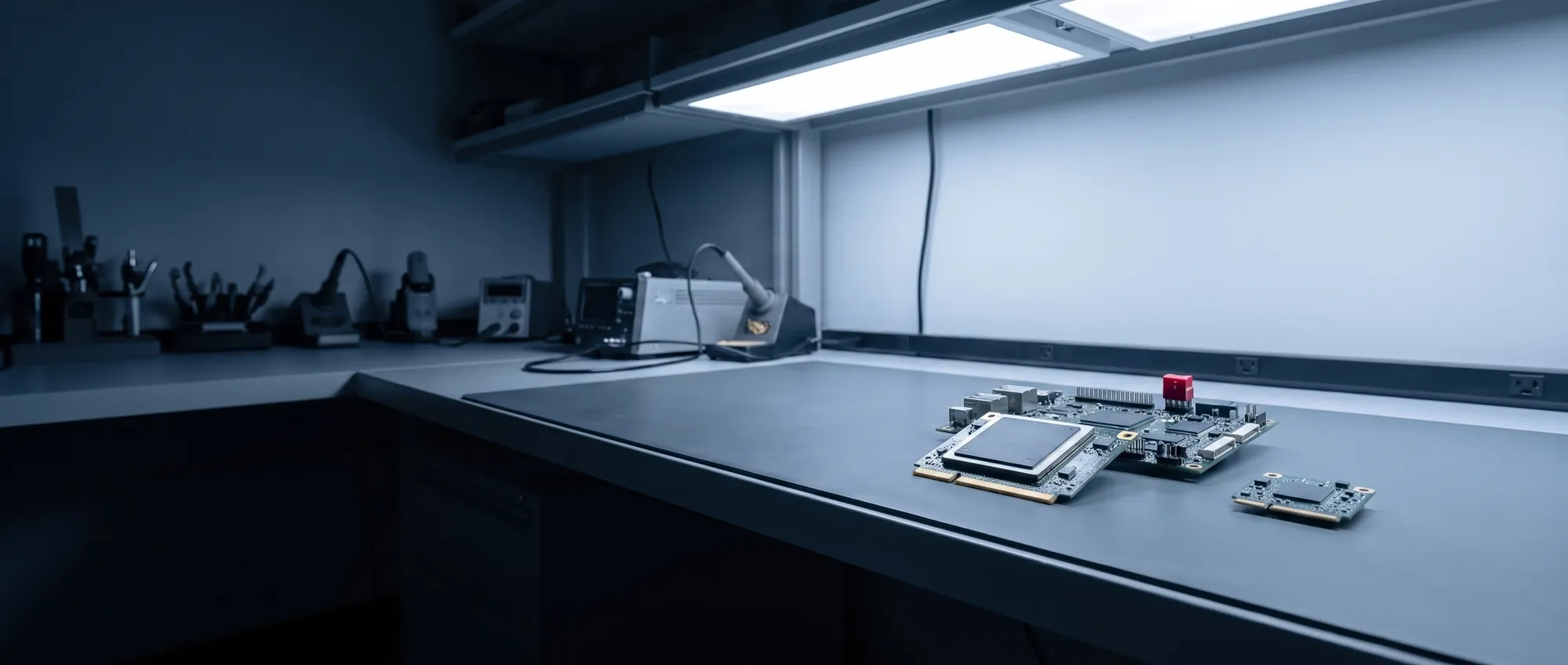
Qseven
The 70 mm square: 230 pins, 5 volts, low power's middle road.
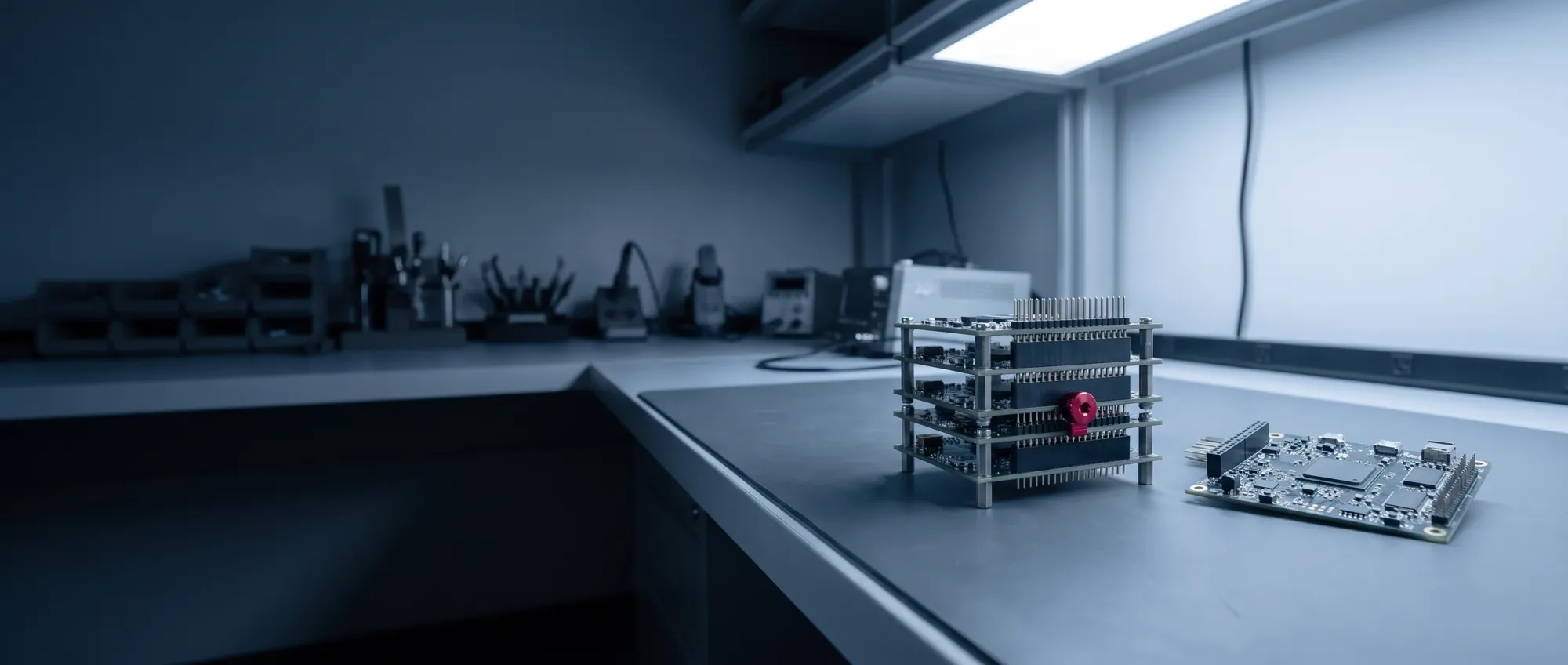
PC/104
The stack without a backplane: from ISA to PCI Express, always stacked.
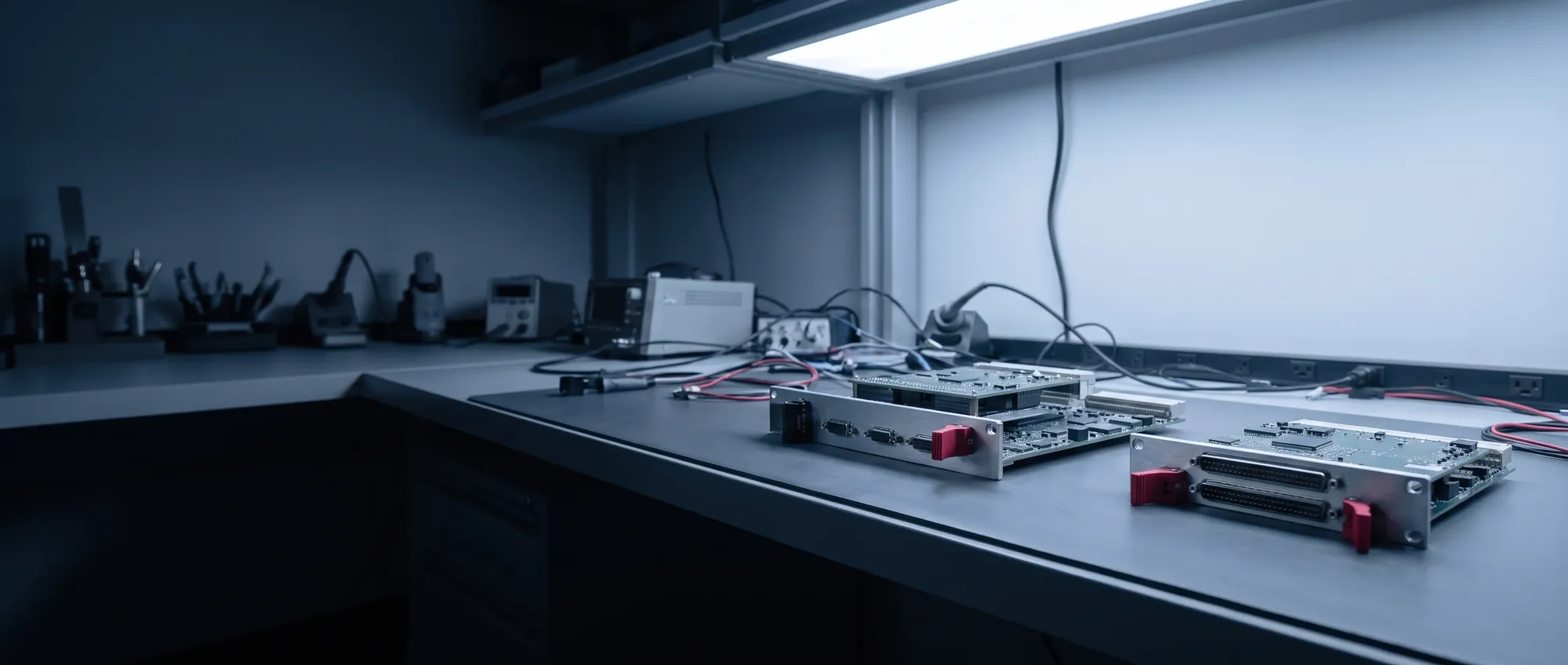
PMC and XMC
The mezzanine of specialized I/O, from PCI to VITA 42 fabrics.
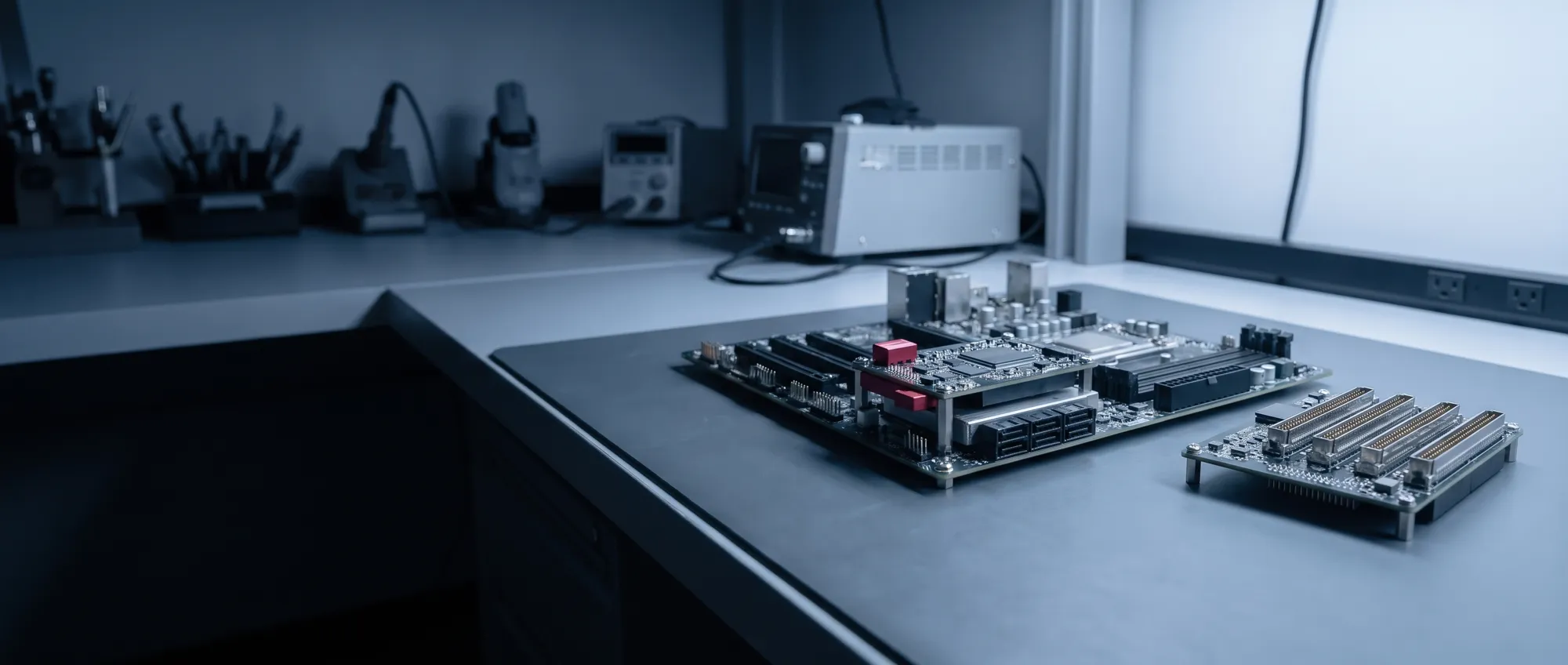
VITA 93 · QMC
The Quad Mezzanine Card: composable quadrants for new designs.
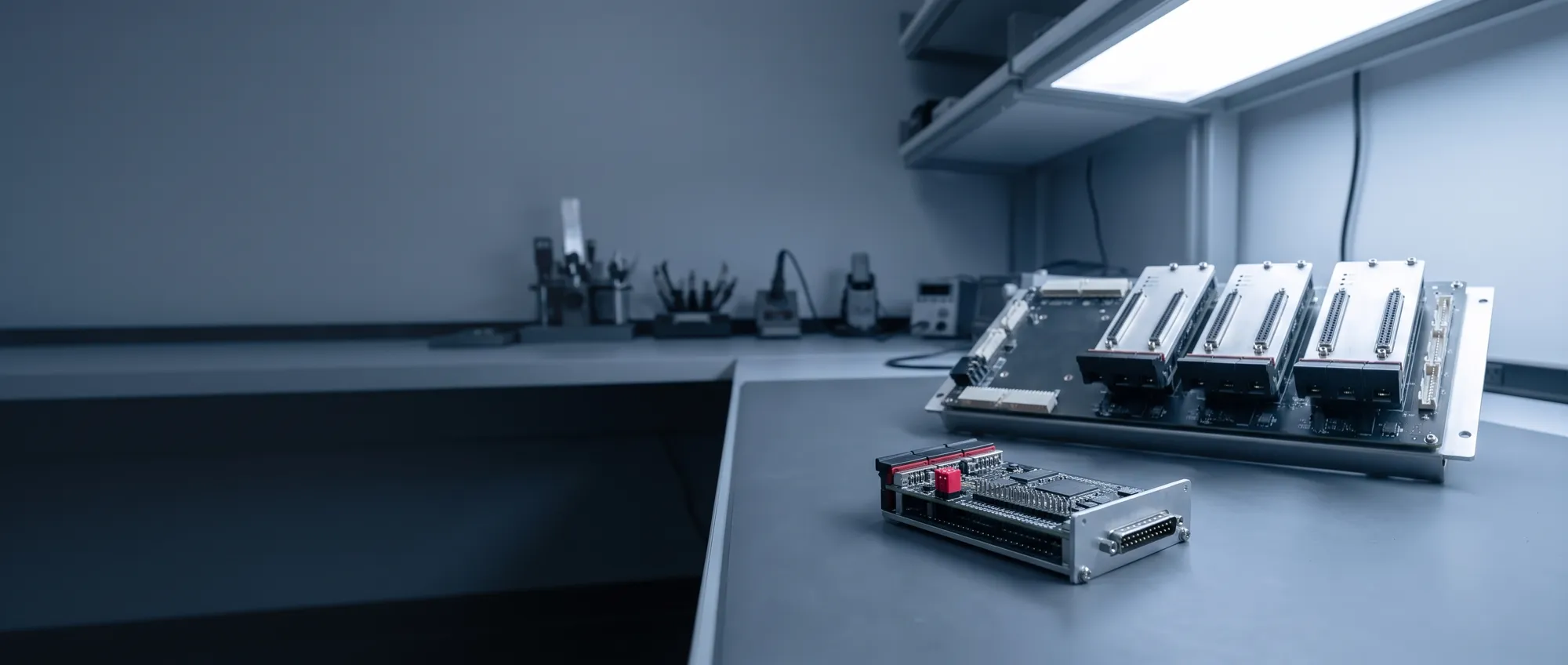
AcroPack
Acromag's I/O on a mini PCIe base: dense, compact, multi-platform.
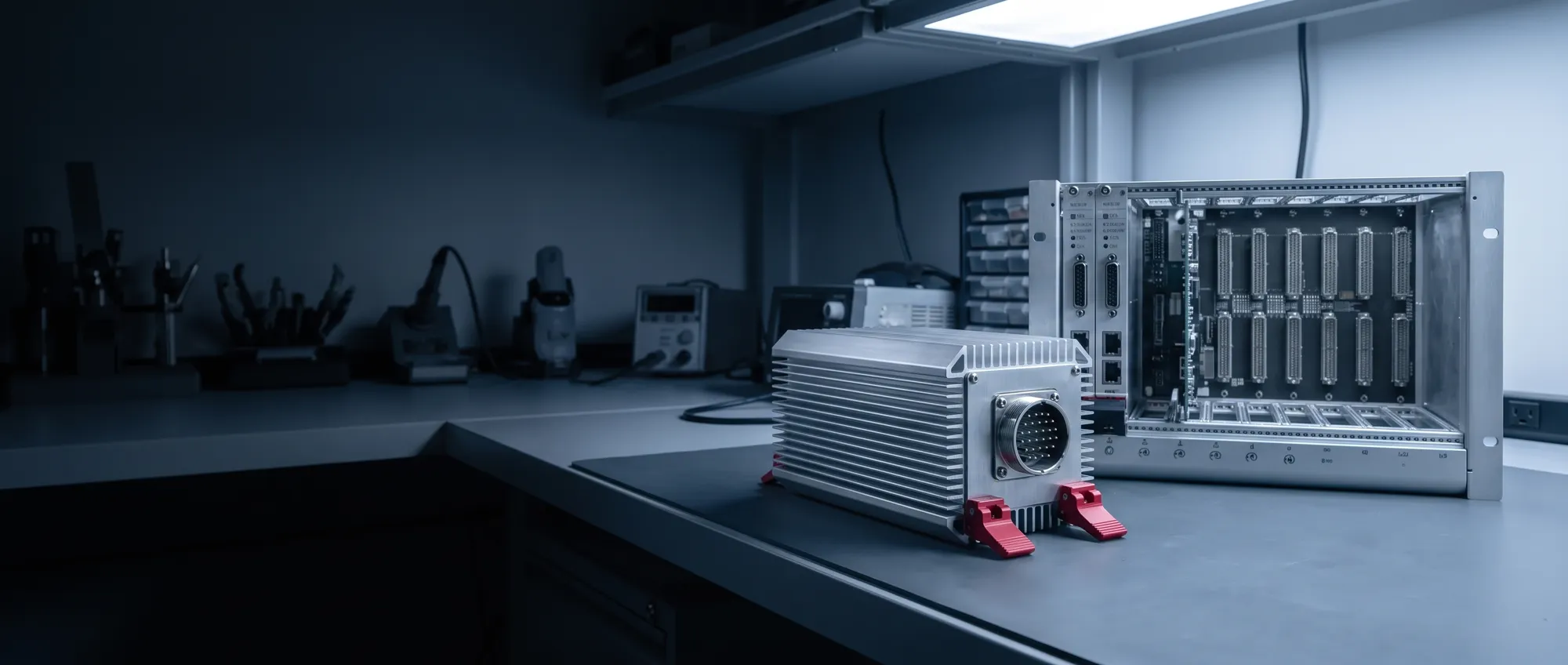
VITA 62
The power supply in a VPX slot: 28 or 270 VDC, conduction, MIL-STD.
From the standard to the project
The guides explain the standards. These pages tell where they end up: in the environments that require them, in the services that turn them into systems, in the questions that come back at specification time.
3markets
The markets
Where these architectures actually work: environmental requirements, required qualifications and qualified references, market by market.
Go to the section
8made-to-order systems
Design and production
From standard to system: metalwork, integration, wiring and testing in the Turin facility.
Go to the section
6insights
The insights
The questions that come back at specification time: what a standard actually asks, which bus survives the life cycle.
Go to the section
Let's talk about your project
Phone and email go straight to our technical sales team in Turin: the first answer is already a technical one.