
The SMARC architecture, explained
Smart Mobility Architecture: the SGET Computer-on-Module for low-power, low-cost, high-performance applications — ARM and x86, typically under 6 W. Here you find the standard, the revisions and the catalog.
What SMARC is: the module that comes from mobile
SMARC — Smart Mobility Architecture — is the small form factor Computer-on-Module definition targeting applications that require low power, low cost and high performance.
Modules typically use ARM SoCs similar or identical to those in tablets and smartphones, but the specification also allows low-power x86 and other RISC CPUs; the typical power envelope stays under 6 W. The module hosts CPU, DRAM, boot flash, power sequencing, GbE and a single-channel LVDS display transmitter; everything else — audio, touch, wireless — lives on the application carrier board.
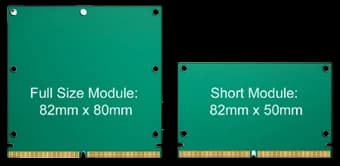
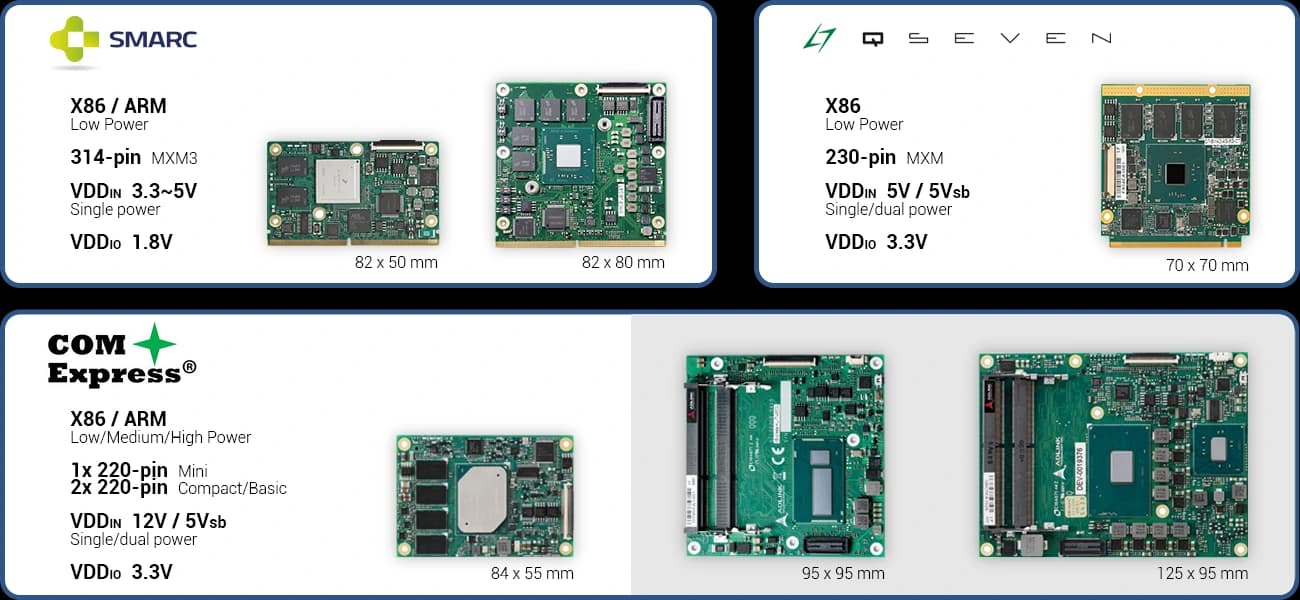
The standard was born as ULP-COM and became SMARC under SGET, the Standardization Group for Embedded Technologies. Two sizes: 82×50 and 82×80 mm, with 314 edge fingers on a 0.5 mm connector. The modular approach delivers scalability, time-to-market and upgradability while keeping cost, power and size low.
The service: COM-based SWaP systems How the engineering team works
What the specification says
The revisions, item by item
Each revision widens the interfaces without breaking existing carriers.3 entries
SMARC 1.1
The ULP-COM base
The original definition: the energy-saving interfaces typical of the ARM world — parallel LCD, MIPI for cameras, SPI, I2S, I2C — alongside the classic USB, SATA and PCI Express.
SMARC 2.0
Up to 4 displays · more USB and PCIe
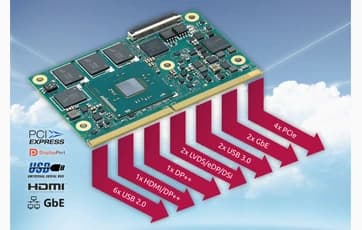
It adds DP++ up to Ultra HD/4K, upgrades LVDS to dual channel, moves to 6× USB 2.0 + 2× USB 3.0, 2× GbE with IEEE 1588 and 4 PCIe lanes. Carriers with single-channel LVDS and HDMI stay compatible.
SMARC 2.1
2020 · SerDes · 4 MIPI-CSI cameras · AIoM
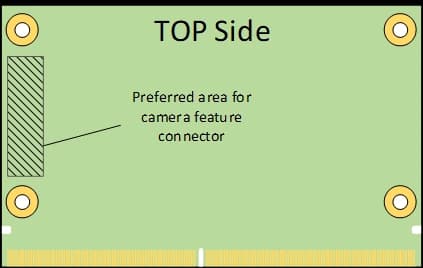
Fully backward compatible with 2.0: it adds SerDes for Ethernet PHYs on the carrier, up to 4 MIPI-CSI camera inputs and up to 4 GbE ports. It is the revision that positions SMARC as the AI-on-Module standard for vision: robotics, autonomous vehicles, GigE Vision cameras.
Where SMARC works
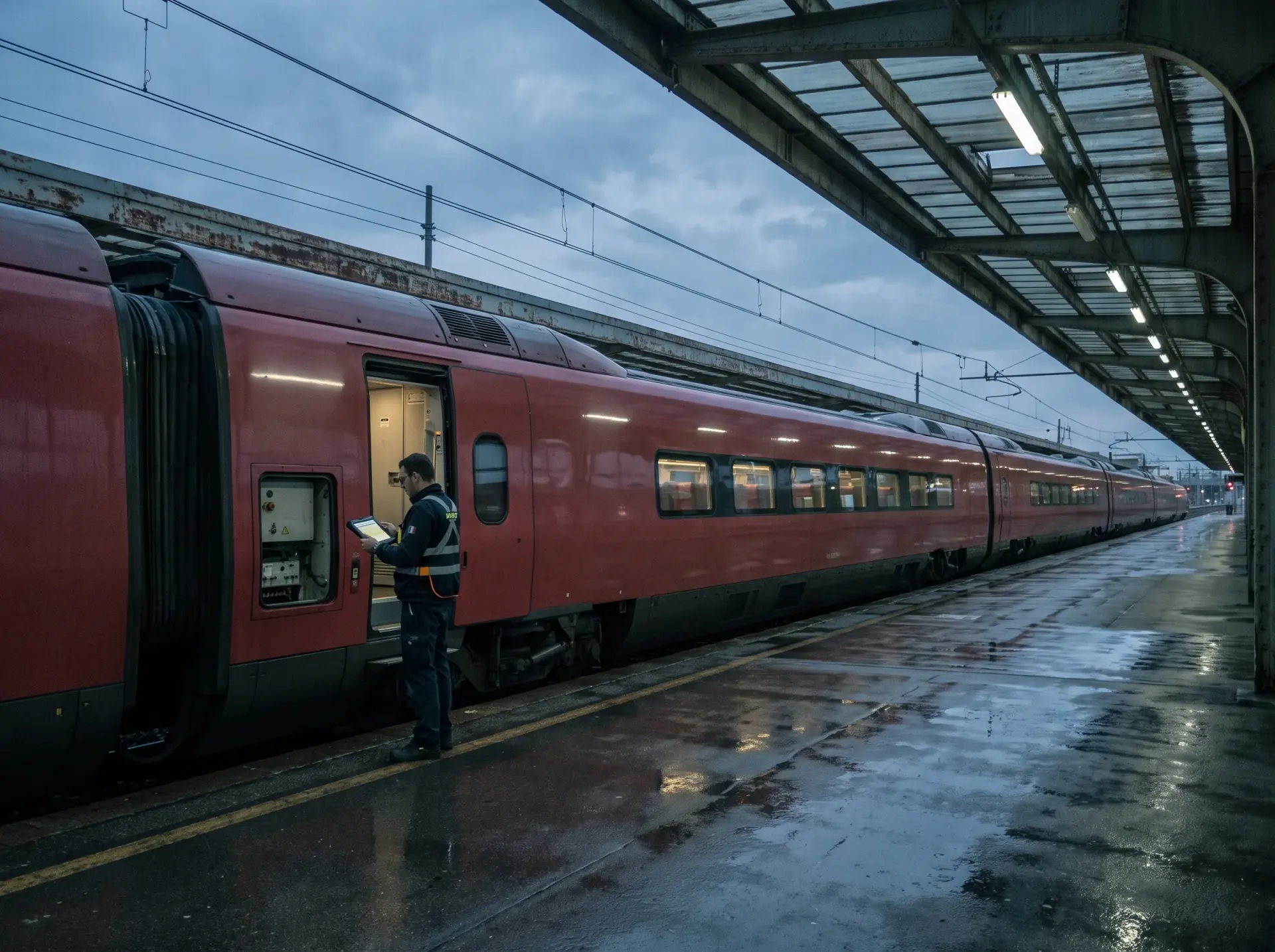
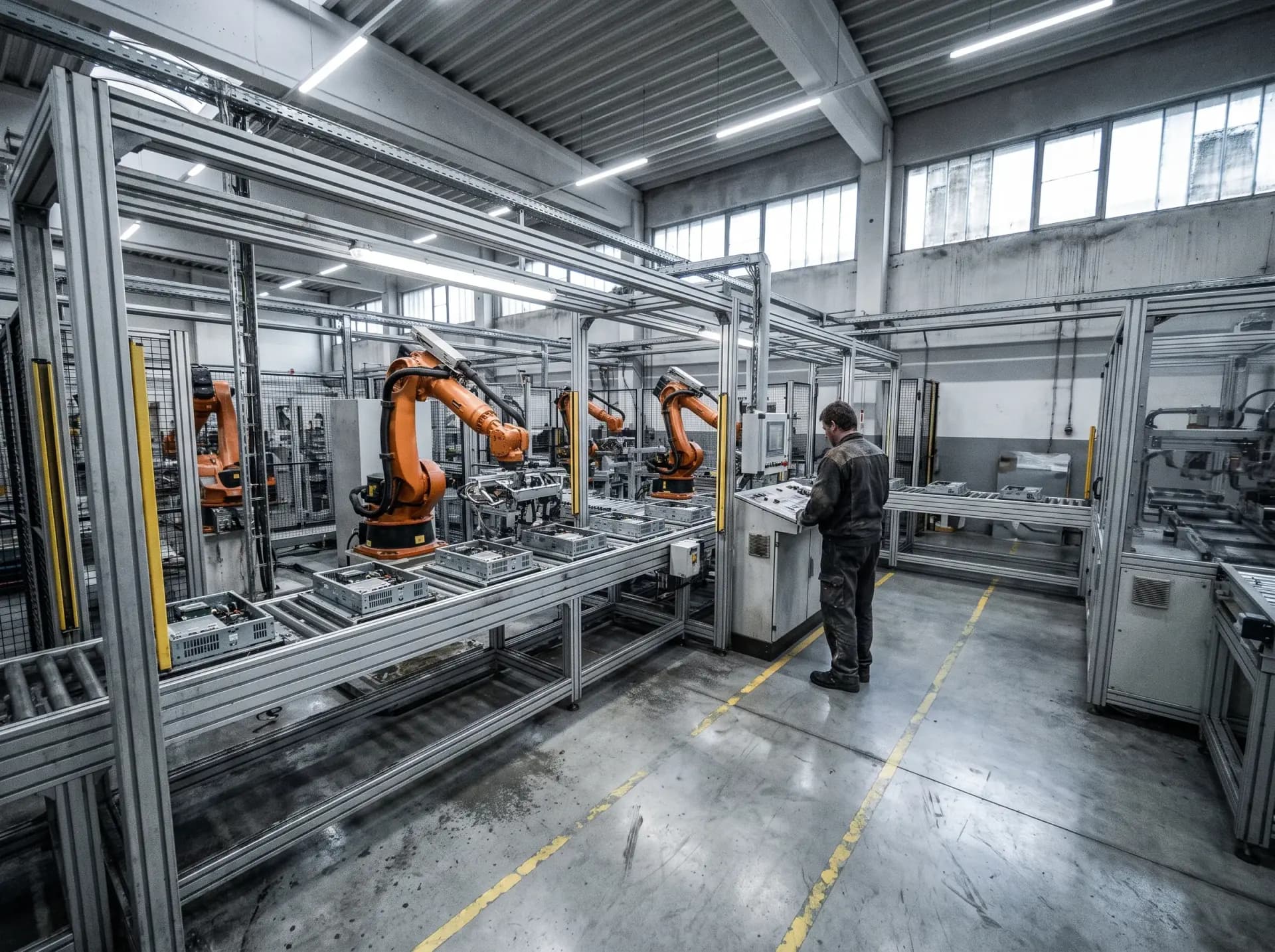
Portable and stationary systems where watts, footprint and vision matter.
Nearby architectures
The Computer-on-Module family, from low power to server class.

Let's talk about your project
Phone and email go straight to our technical sales team in Turin: the first answer is already a technical one.