
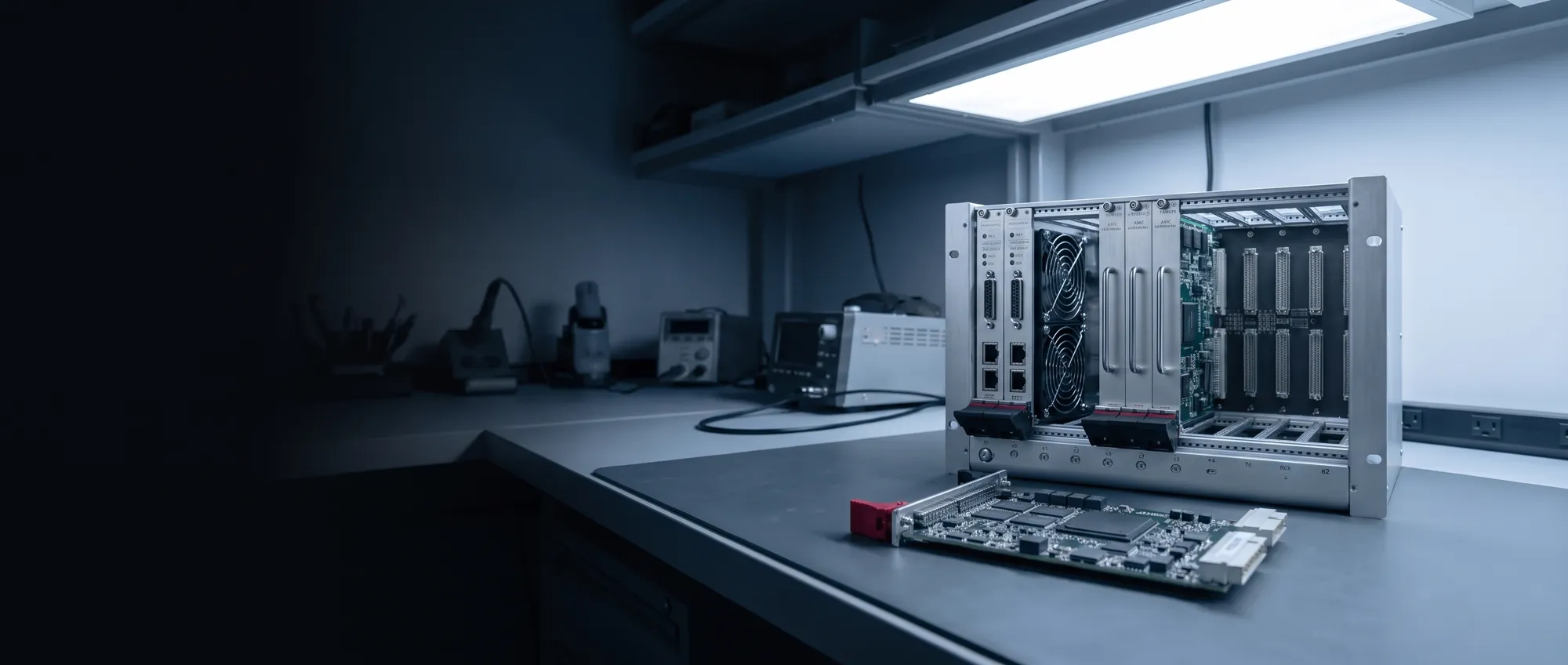
The MicroTCA architecture, explained
The PICMG open standard for switched-fabric systems in a small form factor: AMCs as mini-blades, the MCH managing and switching, the backplane beyond 10 Gb/s. Here you find the system, the sizes, the rugged variants and the catalog.
What MicroTCA is: ATCA in miniature
MicroTCA is a modular open standard for building high-performance switched-fabric computer systems in a small form factor: at its core are Advanced Mezzanine Cards, providing processing and I/O.
AMCs were born as mezzanines for AdvancedTCA systems and in MicroTCA become mini-blades plugging directly into the backplane: hundreds of commercial models — CPUs, DSPs, packet processors, storage, optical and RF I/O — work in both worlds unmodified. A typical system: up to twelve AMCs, one or two MicroTCA Carrier Hubs (MCH) for management and switching, redundant power modules and cooling, all in 19″ chassis.
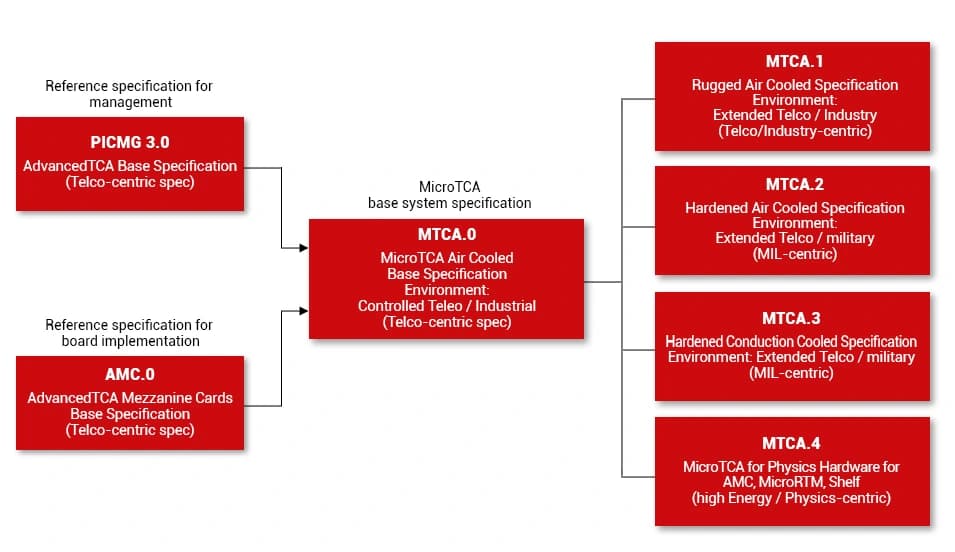
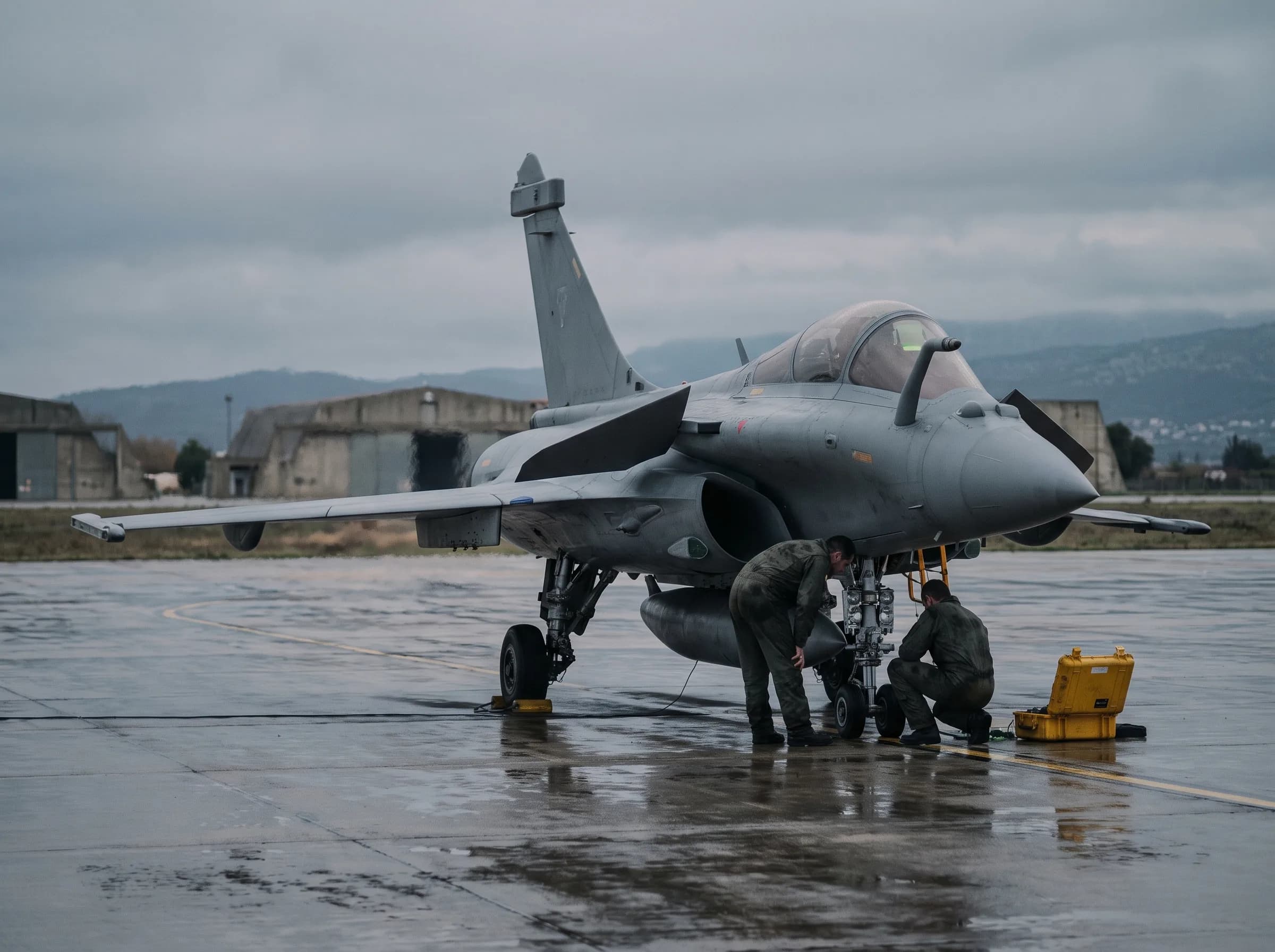
The backplane carries differential serial lanes of at least 3.125 Gb/s — beyond 10 in the best systems — over GbE, 10GbE, Serial RapidIO or InfiniBand fabrics, in a star topology (dual star with two MCHs). Born for the telecom edge, MicroTCA spread to military, telemetry, data acquisition and avionics through the rugged MTCA.1–.4 variants — up to rear-I/O MTCA.4, chosen by the physics community for accelerators.

The service: custom platforms and microracks How the engineering team works
What the specification says
The system's building blocks, item by item
AMCs, the MCH and the two variants that took MicroTCA beyond telecom.4 entries
AMC
Advanced Mezzanine Card
The primary component: it carries the application's hardware and software — CPUs, DSPs, storage, I/O. Six mechanical sizes (compact/mid/full-size, single or double width) to dose computing and I/O; the same AMC works on a MicroTCA backplane or an AdvancedTCA carrier.
MCH
MicroTCA Carrier Hub
The module that enables, controls and switches: hub of the fabric star and responsible for IPMI management. Up to two for high availability; the shelf manager — usually in the MCH — governs up to 16 carriers over an IP interface.
MTCA.2
Hybrid air/conduction rugged
For the severe shock, vibration and thermal environments of air, land and sea platforms: clamshell modules with wedge locks, thermal sharing between modules and chassis, test procedures defined with the defense industry.
MTCA.4
The physics variant · rear I/O
MicroTCA with rear I/O for acquisition and control in experiments: up to 80 W dissipated per AMC, remote management, electronic keying against incompatible modules. The accelerator community's choice for high-performance research.
AMC sizes, in a table
Six sizes: three heights by two widths (dimensions in mm).1 tables
AMC sizes
From the specification table.
| Compact (3HP) | Mid-size (4HP) | Full-size (6HP) | |
|---|---|---|---|
| Single width | 73,8 × 13,88 × 181,5 | 73,8 × 18,96 × 181,5 | 73,8 × 28,95 × 181,5 |
| Double width | 148,8 × 13,88 × 181,5 | 148,8 × 18,96 × 181,5 | 148,8 × 28,95 × 181,5 |
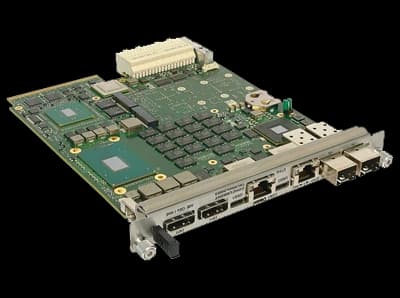
The MicroTCA catalog starts here
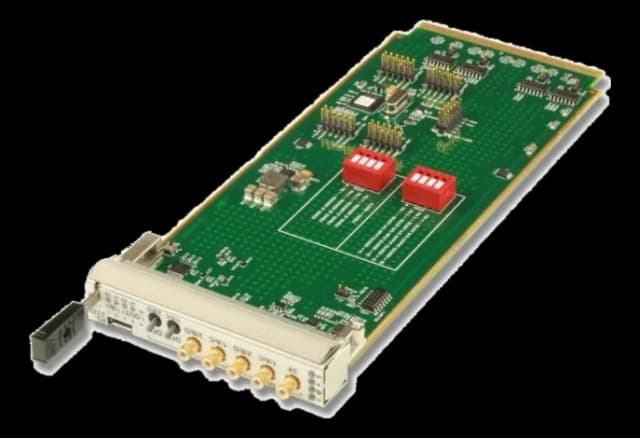
MicroTCA Blades & Modules (MTCA.0)
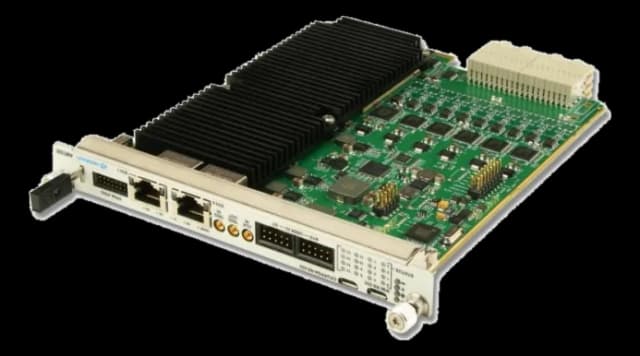
MicroTCA Blades & Modules (MTCA.4)
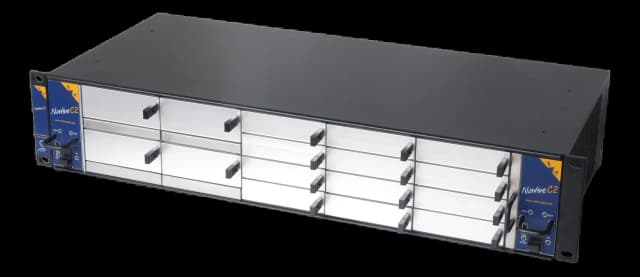
MicroTCA
Where MicroTCA works
From the telecom edge to big physics, through telemetry and avionics.
Nearby architectures
The big brother, the PICMG family and the rugged alternative.

Let's talk about your project
Phone and email go straight to our technical sales team in Turin: the first answer is already a technical one.