Three generations, not three alternatives
Eurocard modular computing has been through three technological seasons, and all three are still in production. That is the point that disorients newcomers: there is no "old" version to avoid, there are three answers to problems that coexist.
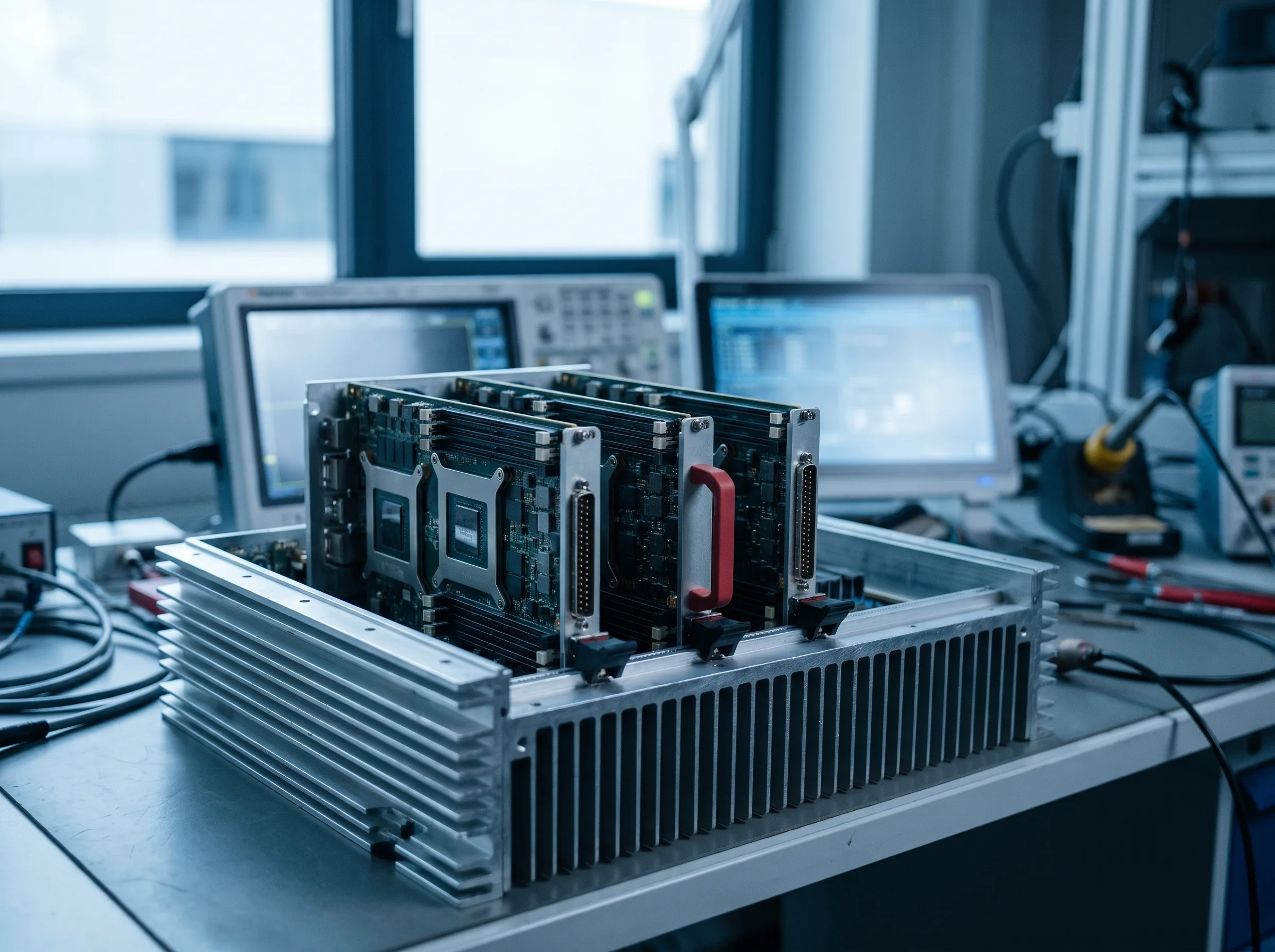
The parallel bus — VMEbus — is the first: a shared, deterministic bus with forty years of installed base behind it. The PCI parallel bus — CompactPCI — brings the PCI ecosystem into Eurocard mechanics, with hot swap and off-the-shelf chipsets. The switched serial fabric — VPX, with its point-to-point matrix and high-speed connector — is the answer to the moment when the bottleneck is no longer computation but moving data between boards.
In between, CompactPCI Serial does to the second family what VPX did to the first: it keeps mechanics and power and replaces the bus with serial links.
The real question is not bandwidth: it is life cycle
In most qualified projects the bus is not chosen by comparing performance. It is chosen by an external constraint: a fleet already exists, there is a chassis, a backplane, validated software that has been running for years. A defence or rail programme lives two or three decades, and replacing a board must be a replacement, not a new design.
This is why VME is not archaeology: it is the maintenance of systems in service. And when a project really does start from scratch — new platform, new bandwidth requirements, sensors producing more data than a parallel bus can move — the question changes, and the answer is usually VPX.
So the useful question reads: am I replacing inside a system that exists, or defining a system that will last twenty years? The two roads almost never meet.
In VPX the connector is not enough: you need the profile
This is the mistake that costs the most time. VITA 46 defines mechanics and connector; on its own it does not say which signal runs on which pin. It is OpenVPX (VITA 65) that defines the profiles — module, slot, backplane — the agreement that makes boards from two different manufacturers actually interoperable.
Two "3U VPX" boards without compatible profiles are two mechanical promises. The profile belongs in the specification next to the form factor, always. Along the same road, SOSA goes one step further: it selects and aligns a subset of profiles so that subsystems become genuinely interchangeable between suppliers.
The same family includes VITA 62, which standardises power supply modules: a compliant supply can be replaced without redesigning the chassis — and in a qualified system, power is the part that ages first.
Cooling is part of the choice
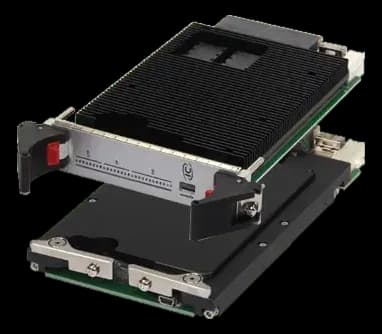
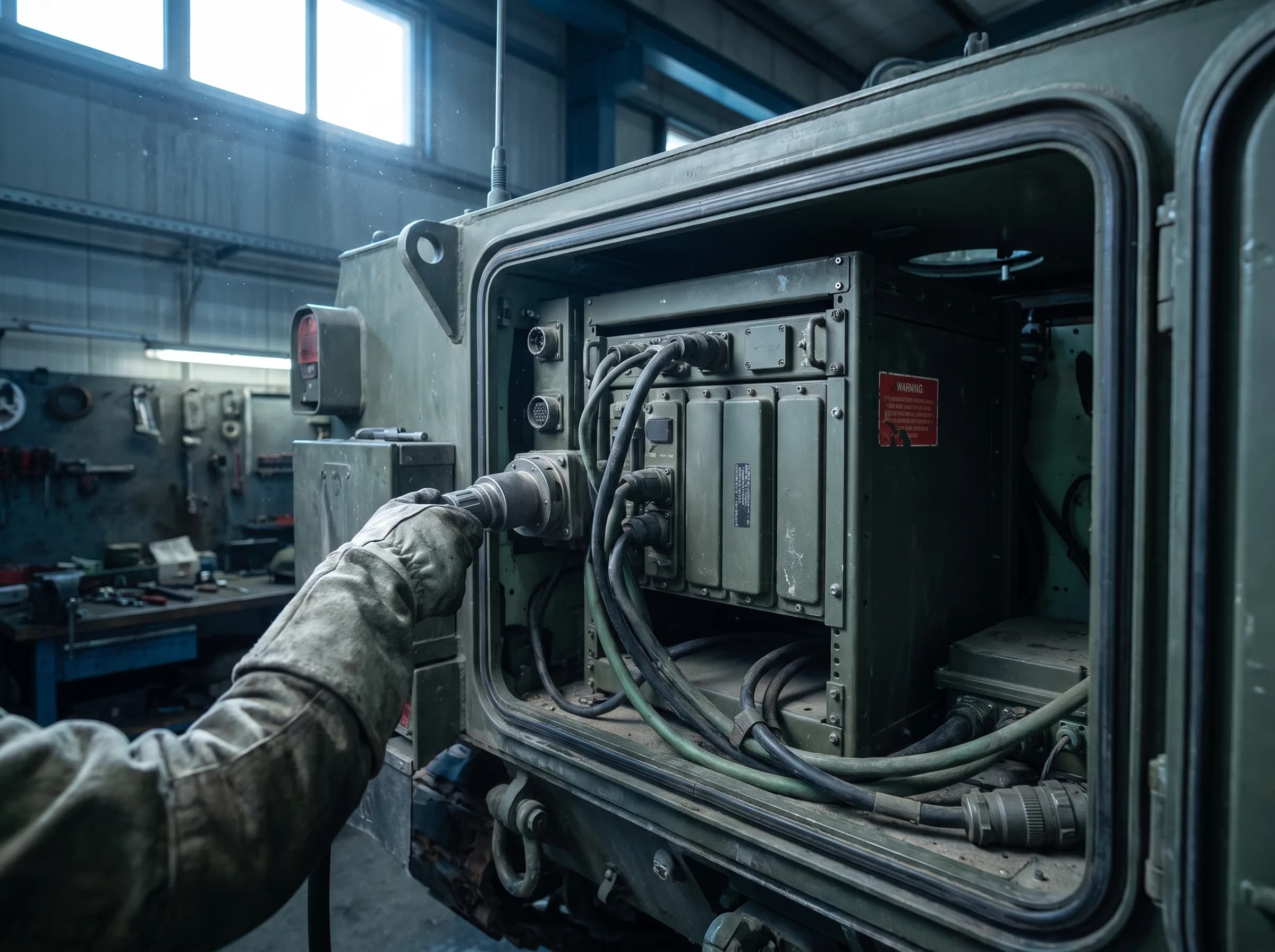
In modular computing, cooling is not an accessory: it is a board class. An air-cooled board and a conduction-cooled one have the same function and are not the same product — the frame changes, the thermal contact with the guides changes, the dissipable power limit changes. In sealed enclosures, or where dust and sand are present, conduction is not a preference: it is the only road.
Check it early, because cooling constrains the chassis downstream and the CPU you can fit upstream.
Mezzanines, so you do not redesign the board
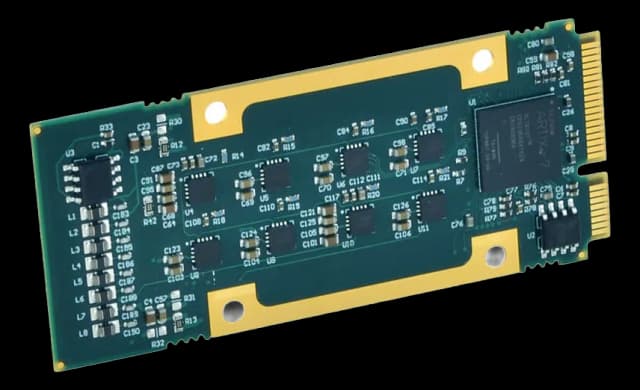
When a function is missing — an interface, an FPGA, an acquisition channel — a new board is not always required: mezzanines mount on a carrier and add it. PMC and XMC (VITA 42/61) are the parallel and serial generations of the same trade. In the catalogue they are among the most numerous entries of the whole board area, and they are often the shortest path between a requirement and a system that already exists.
On the telecom and research side the same idea is called MicroTCA, with its AMC modules and a management and redundancy discipline built for always-on equipment.
How this reads in the catalogue
The table below counts references by declared standard, in real time. It serves two purposes: to give the real measure of each family — how alive it is, not how much it is discussed — and to lead straight to the category holding most of them, already filtered.
Each row then has its own guide, with the history of the standard, the bodies that govern it and the catalogue scope. That is the right place to continue once the family is settled.