Two digits, two separate questions
The IP code is defined by IEC 60529 and says one thing at a time. The first digit concerns solids, from fingers to dust. The second concerns water: drops, splashes, jets, immersion. Two distinct tests, two distinct results, written side by side.
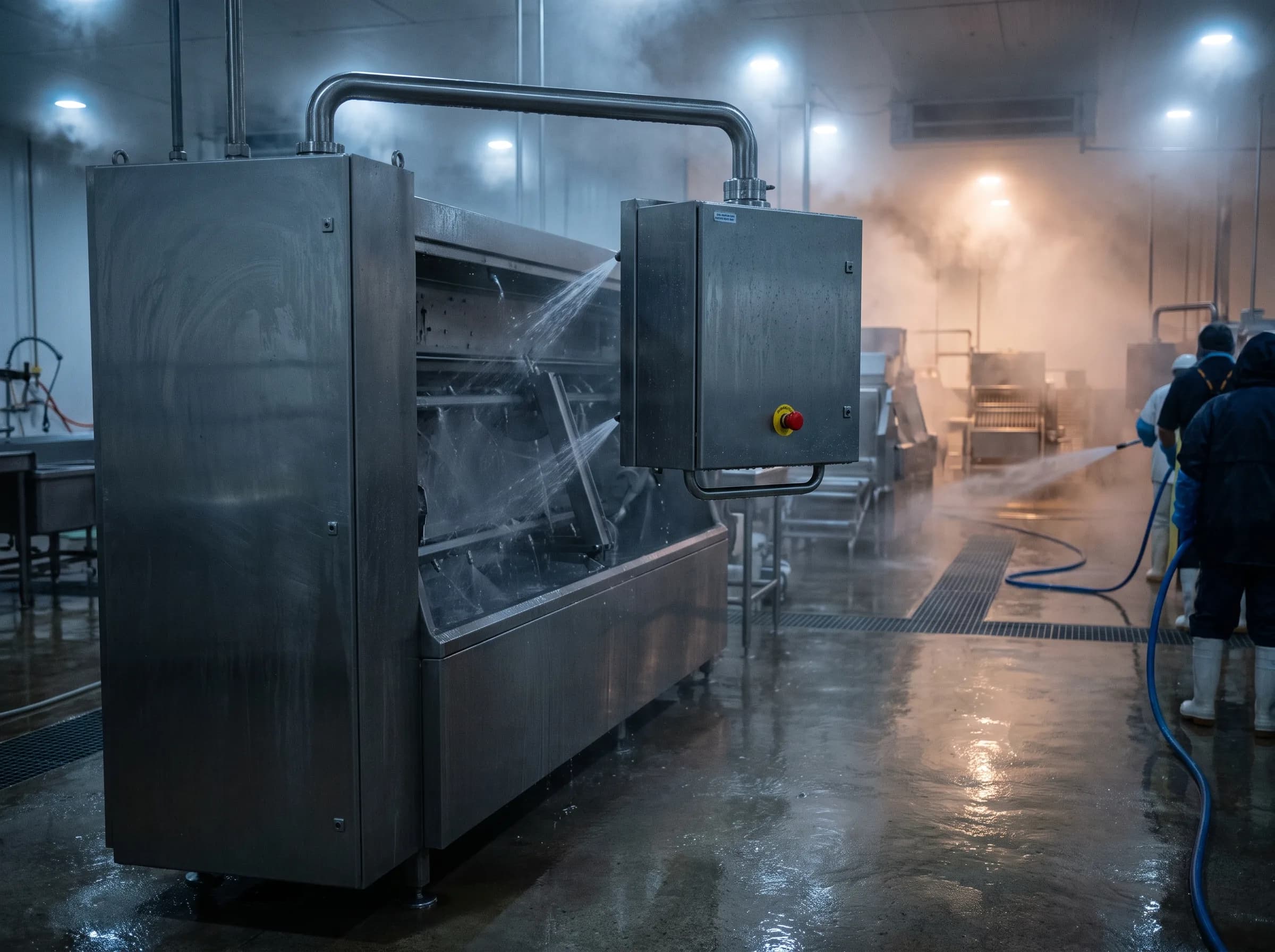
Hence the consequence that surprises most often: ratings do not contain each other. IP67 declares that the equipment withstands temporary immersion, not that it withstands a pressurised jet — that is the test behind a second digit of 5 or 6, and it is another test. A product that must withstand both conditions is declared with both (you often read "IP65/IP67"), because both were run.
Picking a higher rating "to be safe" is therefore not a conservative choice: it is a different choice. The right question is what actually happens in the field — fine dust, condensation, jet washdown, or accidental immersion.
Front IP65: protection on one face only
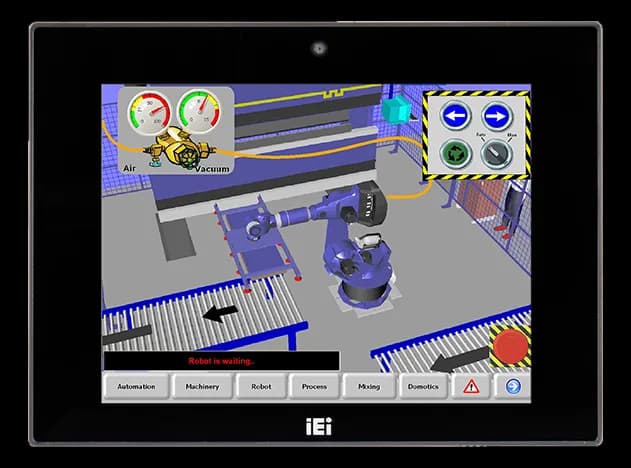
A panel PC or a flush-mounted monitor almost always declares the rating on the front only. It means: panel-mounted, with the intended gasket and the prescribed torque, the face looking at the operator withstands that test. The rest of the enclosure — the back, the connectors, the vents — does not have that rating, and often has none at all.
This is valuable information, not a trick: in the vast majority of machine-side installations the back sits inside the cabinet, and protecting it twice would be wasted money. It becomes a problem only when the mounting is not the intended one — equipment resting, hanging, exposed on both sides — or when a specification copies "IP65" without saying where.
In the catalogue the distinction is explicit: front, full and the rating declared without qualification are three different values. The third has to be checked against the manufacturer's spec sheet before treating it as "full": the product page carries the document for exactly this reason.
Sealing and cooling are one decision
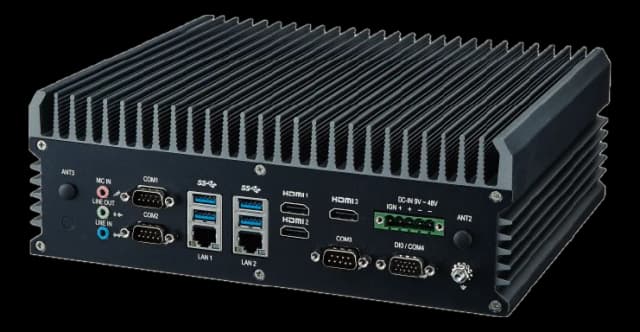
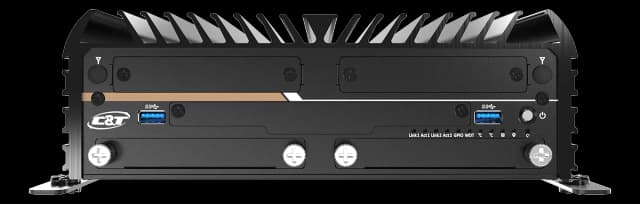
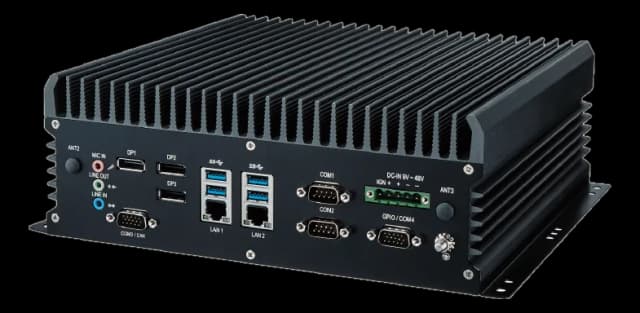
An enclosure that keeps water and dust out keeps air out too. The protection rating therefore decides the cooling: above a certain tightness, forced ventilation disappears and heat must leave by conduction, through the enclosure itself.
This is the real design constraint, and it sits upstream of the CPU. The correct sequence is: environment → sealing → cooling → dissipable power → processor. Run backwards — pick the processor, then look for an enclosure — it almost always ends in a compromise on sealing or a derating of the operating temperature.
Fanless, moreover, is not only a consequence of sealing: it is the choice that removes the only moving part. In equipment that must stay powered for years inside an unattended cabinet, the fan is the first component to fail and the only one with a filter to clean.
In modular computing, cooling is a class
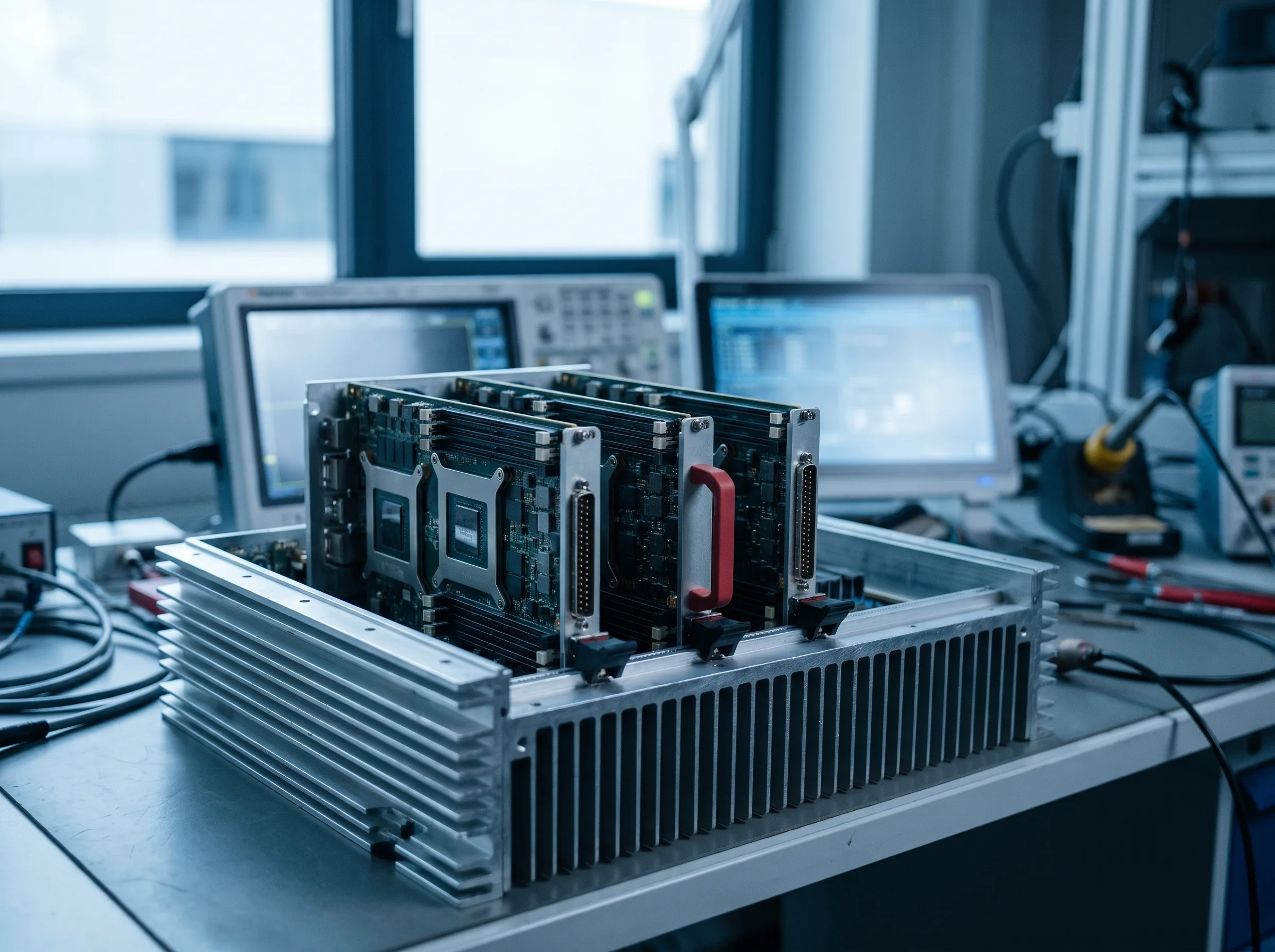
On VITA and PICMG boards, cooling is not an enclosure detail but a board class: air or conduction, with heat travelling from the guides into the frame. Two different products with the same function, chosen at the start because the choice conditions the chassis.
It is the same reasoning as the sealed enclosure, moved inside the rack: where air cannot circulate, heat leaves by contact.
What the catalogue can filter
The table below counts references by the forms manufacturers actually declare, keeping front and full apart — merging them would produce a bigger, wrong number. The counts are live, read as the page loads.
One note of honesty: the IP69K rating, the one for high-pressure high-temperature washdown, is not in our catalogue vocabulary today. When it is required — in food processing, on some bottling lines — it is not a filter to tick but a request to bring to our engineering desk, who verify it with the manufacturer.