What ARINC 429 is: the monologue that runs the aircraft
ARINC 429 — the Mark 33 Digital Information Transfer System — is commercial avionics' data bus standard: it defines both the physical medium and the protocol with which on-board equipment exchanges data.
The topology is deliberately simple: each channel is a monologue — a single transmitter, up to twenty receivers on a shielded twisted pair, differentially driven. Whoever must answer does so on its own channel. There are two speeds, 12.5 and 100 kbit/s, and every word is 32 bits: the leading label says which data it is, the following fields carry value, status and parity. Simplicity and determinism are the point: the bus's behaviour can be certified.
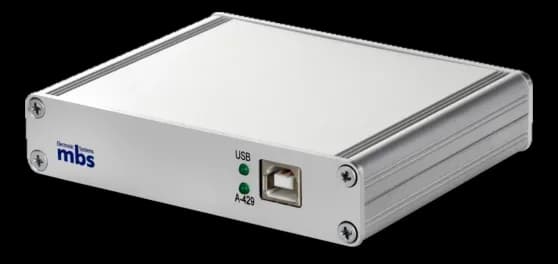
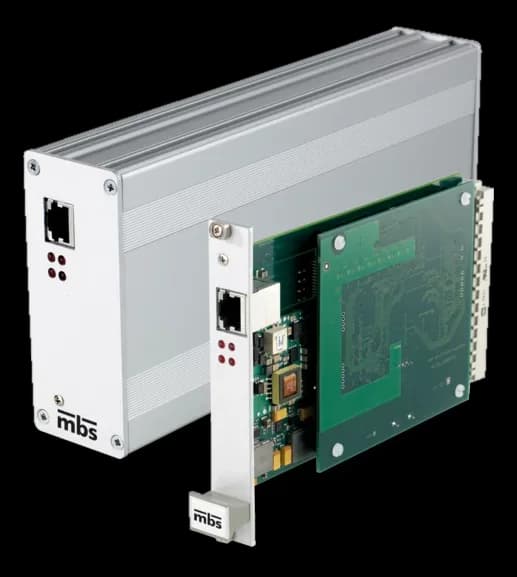
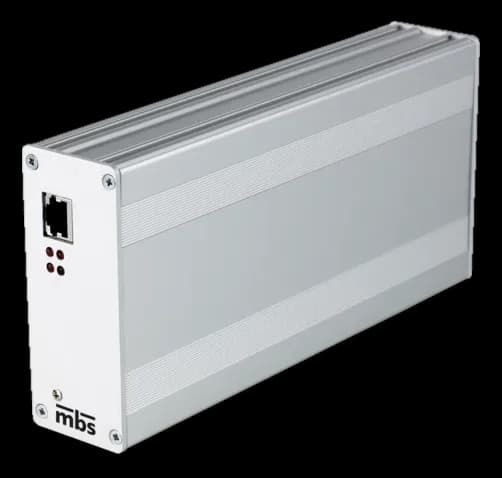
Born with the Airbus A310/Boeing 757 generation, it remains the glue of civil avionics and of the equipment interfacing with it. In the catalog, ARINC 429 interfaces arrive on every platform: multi-protocol OpenVPX systems, PMC and XMC mezzanines, VME avionics interfaces — often alongside MIL-STD-1553 on the same unit.
The standard in brief
- Name: Mark 33 DITS (ARINC)
- Medium: shielded twisted pair
- Speeds: 12.5 · 100 kbit/s
- Word: 32 bits, 8-bit label
- Topology: simplex: 1 TX → max 20 RX
- Predecessor: ARINC 575
The standard, item by item
The bus, its predecessor and the military cousin.
ARINC 429 — Civil avionics' bus
Electricals, timing and data format in a single standard: the monologue topology's simplicity removes arbitration and makes traffic predictable — the quality avionics certification demands.
ARINC 575 — The predecessor
The previous generation's bus, still cited by the multi-protocol interfaces in the catalog: equipment speaking it integrates with the same boards as 429.
MIL-STD-1553 — The military cousin
Where civil aviation uses 429's monologue, the military uses 1553's command/response: on aircraft and mission equipment the two coexist, and catalog interfaces often carry both. The MIL-STD-1553 guide
The 32-bit word, in a table
Every ARINC 429 word reads field by field.
The word's fields
From bit 1 to bit 32.
- Label — Bits: 8 · Role: identifies the transmitted data (e.g. altitude, heading)
- SDI — Bits: 2 · Role: Source/Destination Identifier: distinguishes sources
- Data — Bits: 19 · Role: the value, in BNR, BCD or discretes
- SSM — Bits: 2 · Role: Sign/Status Matrix: sign and validity
- Parity — Bits: 1 · Role: odd, closes the word
The avionics interface, integrated and tested
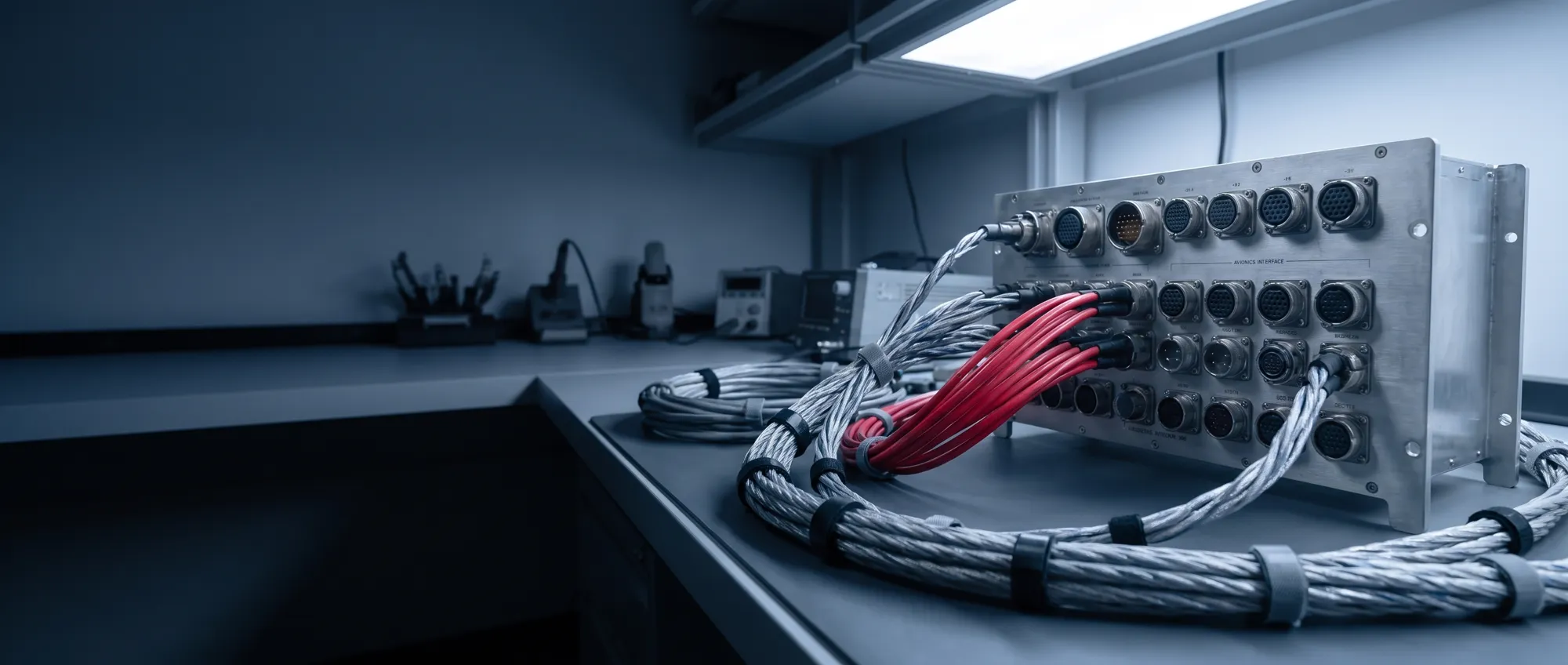
ARINC 429 channels on the platform you need — VPX, VME, mezzanines: our engineering team starts from your specification and delivers the system tested.